Blog

  • Sunline Invited to Speak at Let’s Chuhai Club Organized by InvestHK and 36KR

    Sunline Invited to Speak at Let’s Chuhai Club Organized by InvestHK and 36KR

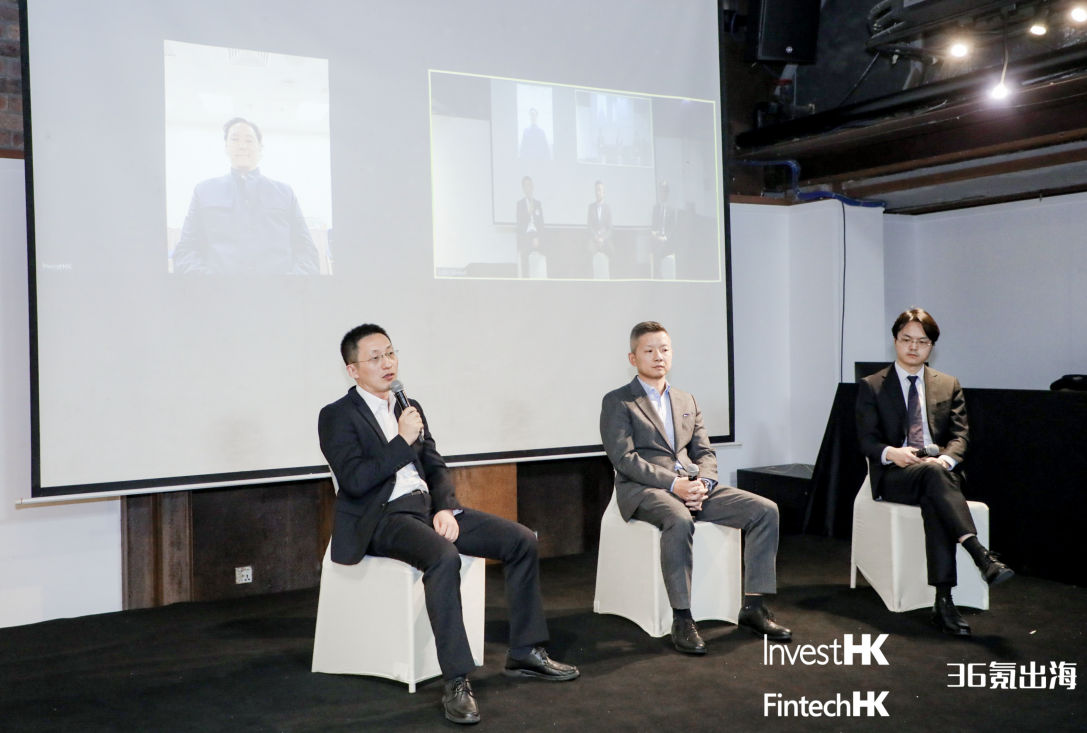
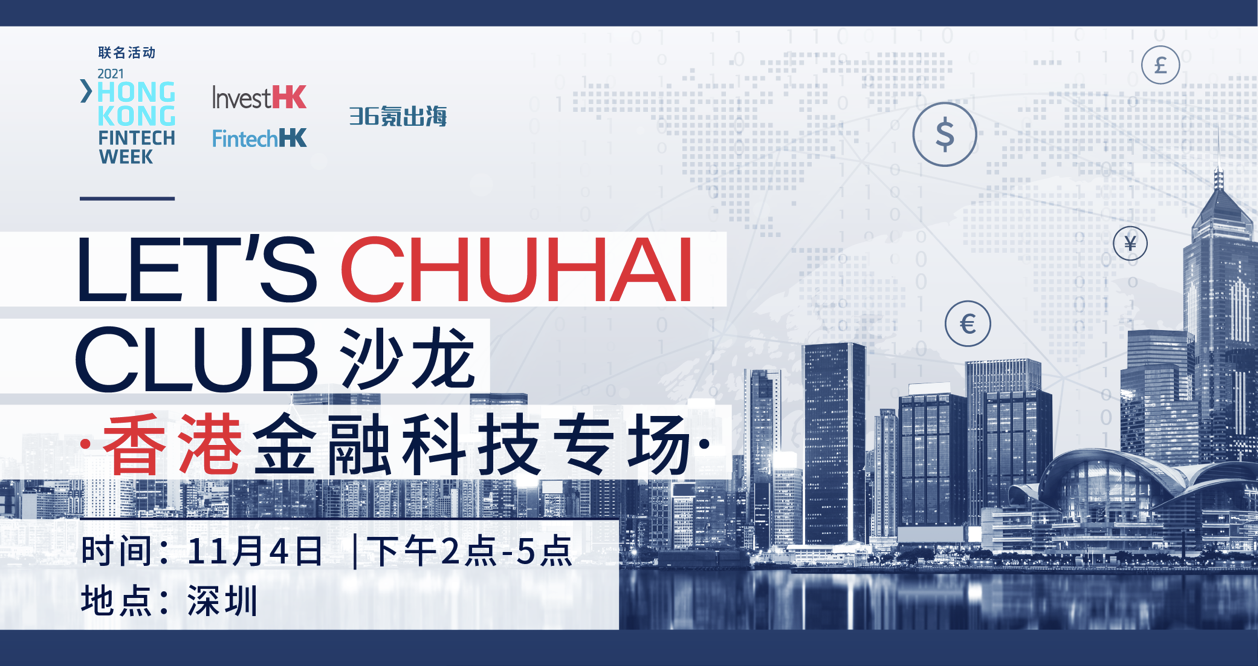
    On November 4, InvestHK and 36KR collaboratively organized Let’s Chuhai Club in Shenzhen as part of the Hong Kong Fintech Week. Sunline, as the first domestic financial technology leader to venture overseas, was invited to participate in the conference to discuss the opportunities and challenges for the financial technology vendors in Hong Kong.

    As the world’s top financial center, Hong Kong has become a necessary spot for Chinese enterprises going overseas. Let’s Chuhai Club invites fintech companies from Hong Kong and Mainland to participate, promoting interactions among business decision-makers, sharing insights and practical experiences on Hong Kong’s financial market, and discussing how Chinese companies can achieve globalization starting in Hong Kong.

    Sunline has deployed overseas markets in 2016, with Hong Kong as its first station. After 5 years of development, the company has now covered more than 10 countries and regions, serving more than 20 banking customers outside of China. Sunline is the first vendor to successfully implement China’s core banking system in a major Southeast Asian bank and is the first to integrate China’s advanced Digital Banking concept overseas.

    During the conference, Vice President of Sunline Overseas Business, Zhou Hongyu shared his insights on “How Chinese Enterprises Seize Hong Kong’s Market Opportunities and How to Use Hong Kong as a Springboard to Expand Globally”. Zhou expressed that companies in China already have the ability and conditions to go overseas, and Hong Kong is a globally recognized financial center that can serve as a springboard for these companies seeking overseas development. However, there are both opportunities and challenges going overseas. He believes that companies must first make decisions about going overseas with market insights analysis, making decisions before acting. Secondly, they must actively integrate into the local ecosystem and even build their own ecosystem to get twice the result with half the effort.

    Zhou Hongyu, Vice President of Sunline Overseas Business (first from left)

    At present, Sunline has completed the construction of localized products and stationed teams overseas. In the future, Sunline will continue to explore future development in the direction of financial technology, and radiate China’s leading financial technology model to a wider overseas market, continuously promoting rapid digital transformation of the global financial industry.

  • Sunline Ranked 2021 Top 50 China Financial Digital Transformation Pioneering Enterprises

    Sunline Ranked 2021 Top 50 China Financial Digital Transformation Pioneering Enterprises

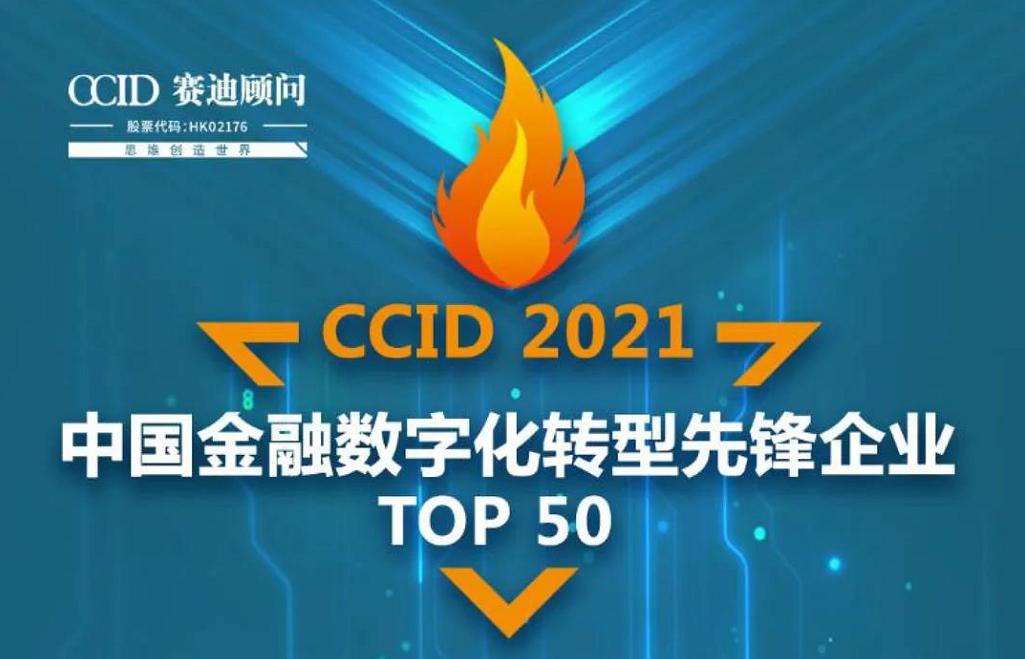
    Recently, CCID Consulting released the 2021 Top 50 China Financial Digital Transformation Pioneering Enterprises, and Sunline is one of the top enterprises making it into the list.

    The top enterprises in this list were selected through multi-dimensional deliberations by CCID Consulting’s internal experts as well as through comprehensive opinions from financial representatives. After half a year of research and interviews to analyze the companies’ data, financials, R&D investments, financial scenario applications as well as user experiences, evaluating the top enterprises in how they strive to fully demonstrate the comprehensive capabilities in the financial industry.

    Innovation is the first consideration in this list as innovative vendors and financial users are the drive that promoted the development and accelerated the process of digital transformation of the financial industry.

    CCID Consulting has affirmed the comprehensive innovative strengths of Sunline from three aspects:

    1. Leading technological innovation

    Technological innovation is the fundamental driving force for the sustainable development of Sunline. For many years, Sunline has insisted on independent researches and developments. The company developed a distributed platform with independent intellectual property rights and in line with financial scenarios and launched the first distributed JAVA-based core system. The core system was also the first to launch the “microservices + unitized” architecture core banking system in 2020 for major banks. At the same time, Sunline has also achieved remarkable innovations in big data and artificial intelligence.

    2. Focus on scenario innovation

    Sunline attaches great importance to the application of technology and financial business scenarios, creating solutions such as smart marketing, smart risk control, and comprehensive data asset management through independently researched and developed financial marketing empowerment systems, smart collection robots, and smart accounting systems. Innovation is the key to promoting digital transformation and the development of the financial industry.

    3. Major innovative development in multiple fields

    In recent years, Sunline has continuously promoted the development of credit business in the financial industry. The distributed core system independently developed for WeBank and Zhangjiagang Rural Commercial Bank has realized full-stack domestic production with safe and stable operation. The core system based on the domestic database has been used in CITIC Credit Card, Ping An Credit Card, and Kunshan Rural Commercial Bank were successfully put into production. At the same time, in line with the innovation needs of major banks, Sunline has provided business and technical expert resources in the fields of consulting and construction of major bank’s technology platform and application system reconstruction, actively contributing to the implementation of enterprise-level architecture, independent and controllable IT construction.

    With the acceleration of digitalization in the financial industry, Sunline’s team size, operating income, R&D investment, etc. were also increased. In the future, Sunline will continue to focus on the financial field and insist on independent innovation to help financial institutions with innovative technology and professional services. 

  • Sunline and China UnionPay Data Services Signed Strategic Cooperation Agreement

    Sunline and China UnionPay Data Services Signed Strategic Cooperation Agreement

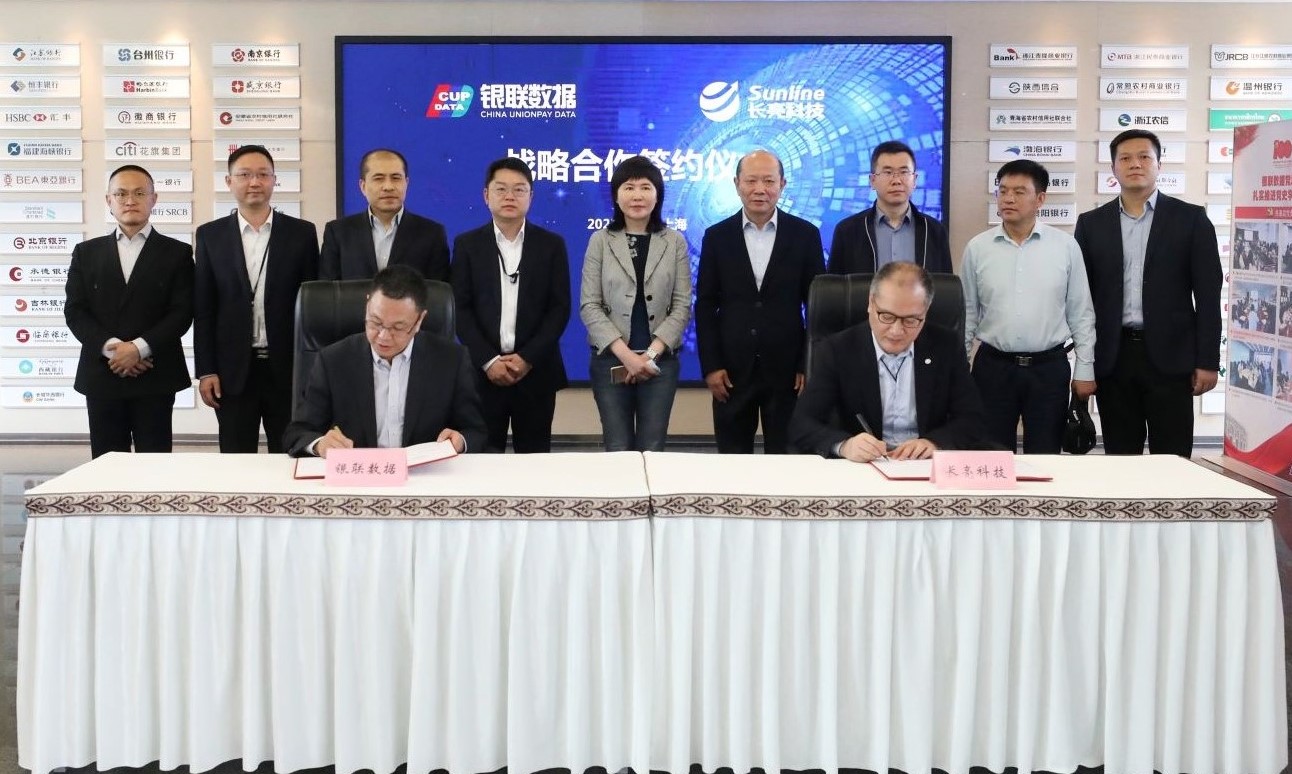
    On October 26, Sunline and China UnionPay Data Services (CUP Data) signed a cooperation agreement in Shanghai to formally establish a strategic partnership between both parties. Sunline’s Chairman, Wang Changchun and CUP Data’s President Ji Xiaojie attended the signing ceremony signed by Sunline’s Executive Vice President Zheng Kang and CUP Data’s Vice President Hong Yugao.In this cooperation, both parties will jointly invest important resources to strengthen the linkage in the credit card core system, core banking system, and other financial technology fields.

    In the future, collaborative innovations in the entire life cycle of credit card and business management including but not limited to customer approval, risk management, customer services, marketing activities, big data support and services, supporting IT system construction and operation support can fully empower the development of the industry with financial technology.

    Sunline is a leading financial technology company in China, focusing on the digitalization of the financial industry for 20 years and serving more than 800 financial institutions worldwide. Driven by leading technological innovation, the company’s core banking system continues to lead in the industry while digital financial business, big data business, and management business growing rapidly.

    CUP Data is a leading digital account service and financial technology expert in China, providing professional solutions including bank card issuance core systems, peripheral value-added products as well as consulting and data analysis services to more than 200 card issuers in the country and abroad. At the same time, it provides safe, stable, and efficient operation services for hundreds of millions of cards.

    The two parties will use this strategic cooperation as an opportunity to leverage respective advantages in respective fields to jointly develop a new model of innovative development, promoting the transformation and upgrading financial institutions with better products and services.

  • Sunline Signed Business Cooperation Agreement with China Academy of Information and Communications Technology

    Sunline Signed Business Cooperation Agreement with China Academy of Information and Communications Technology

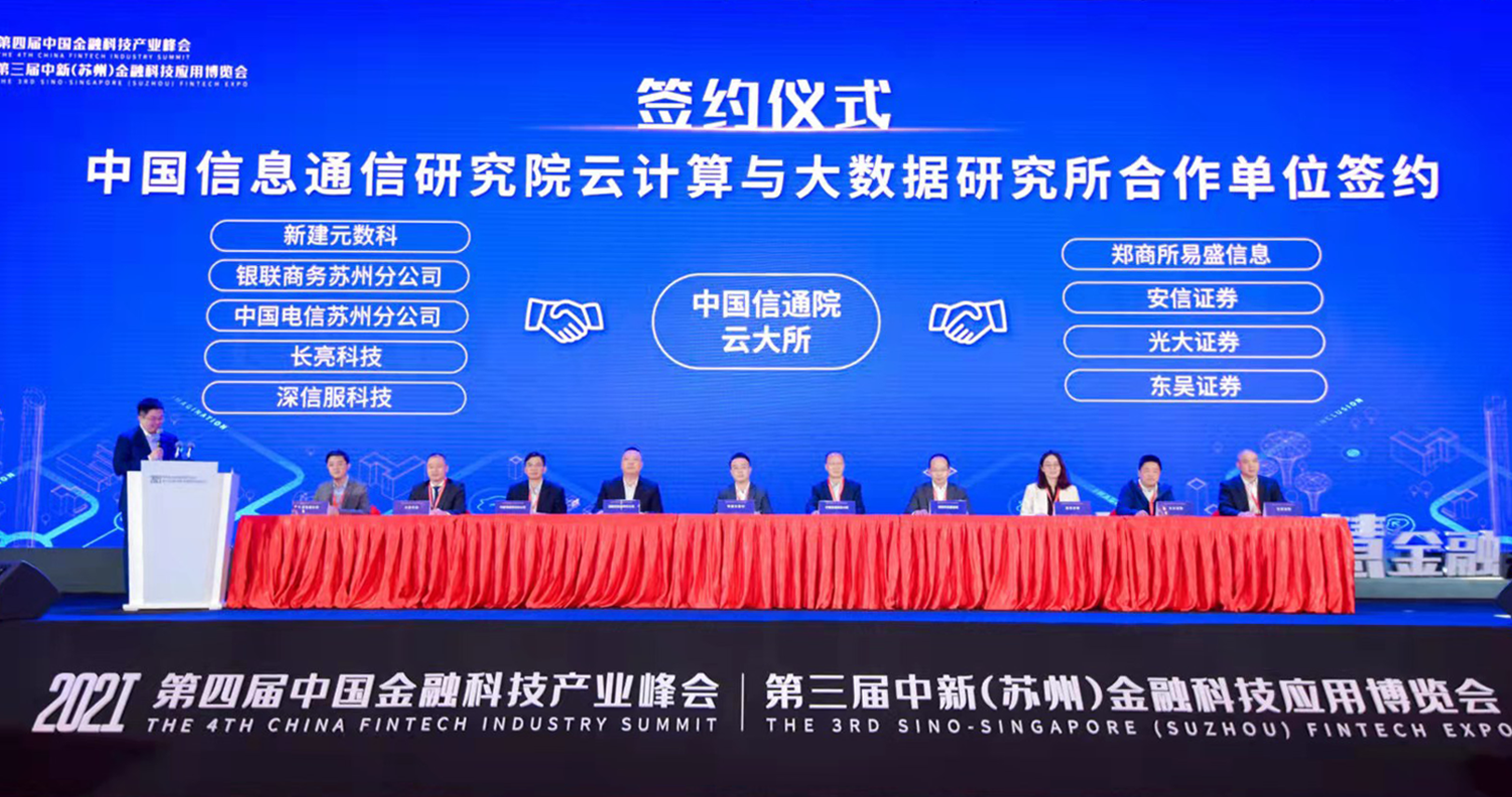
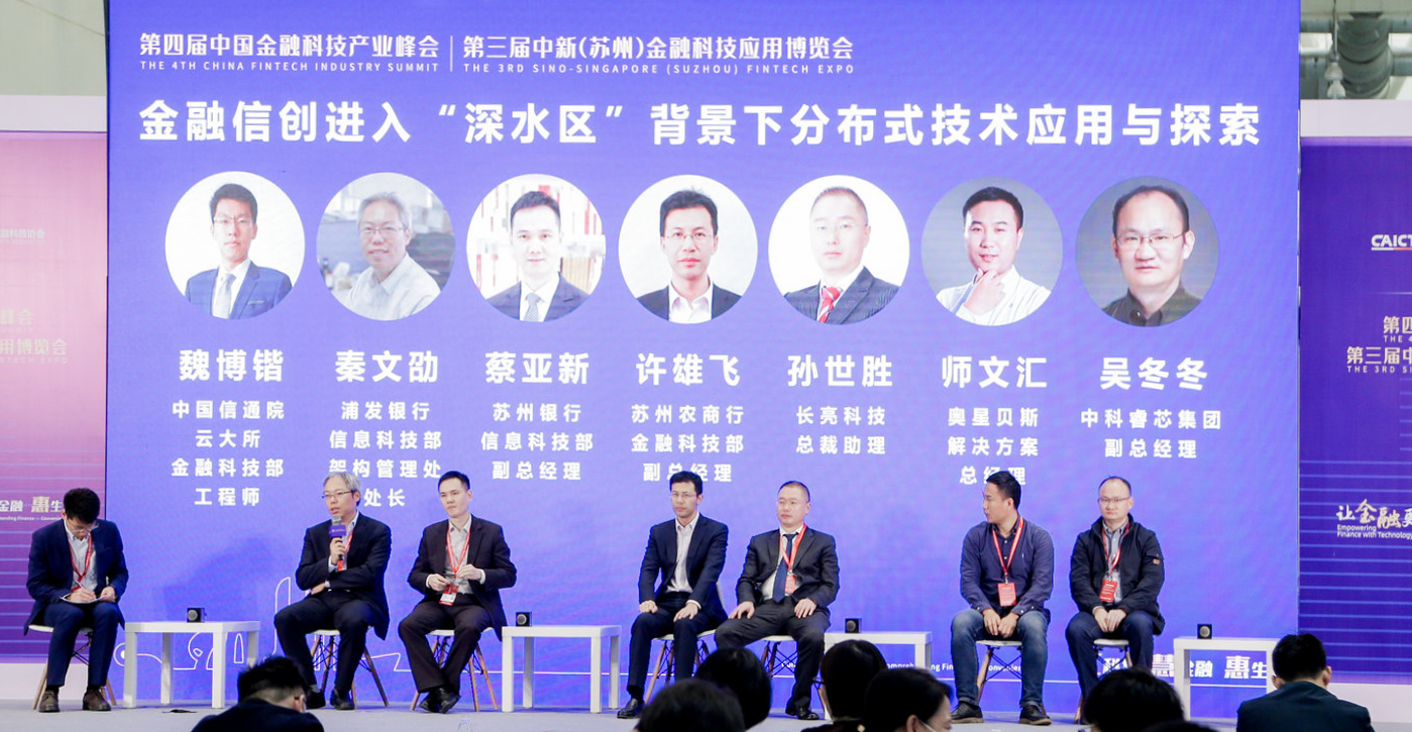
    From 28 to 30 October, the 4th China Fintech Industry Summit and the 3rd Sino-Singapore Fintech Expo were held in Suzhou. At the summit, Sunline signed a business cooperation agreement with the China Academy of Information and Communications Technology, joining the cooperative units of the Cloud Computing and Big Data Research Institute of the academy.

    In the cooperation, both parties will work together to realize the joint construction of financial information technology application innovation and development capabilities, joint research on emerging technology fields of financial technology, joint development of related technological innovation research and capacity building, as well as joint promotion of the construction of a financial technology ecosystem, ultimately empowering technological innovation in China’s financial technology industry.

    Sunline has continuously promoted the development of China’s financial credit innovation in recent years. The distributed core system developed for WeBank and Zhangjiagang Rural Commercial Bank has realized full-stack domestic production with safe and stable operation. The core system based on the domestic database has been used in both CITIC Credit Card and Ping An Credit Cards as well as Kunshan Rural Commercial Bank. All three projects have been successfully launched and have rich experience in successful financial credit creation.

    Sunline shared six recent successful cases of distributed banking core business system implementations at the Financial Credit Technology and Application Forum on the morning of 29 October. With practical experience and a deep understanding of the industry, Sunline has empowered China’s small and medium-sized commercial banks, fully realizing the full potential of their core and peripheral business systems.

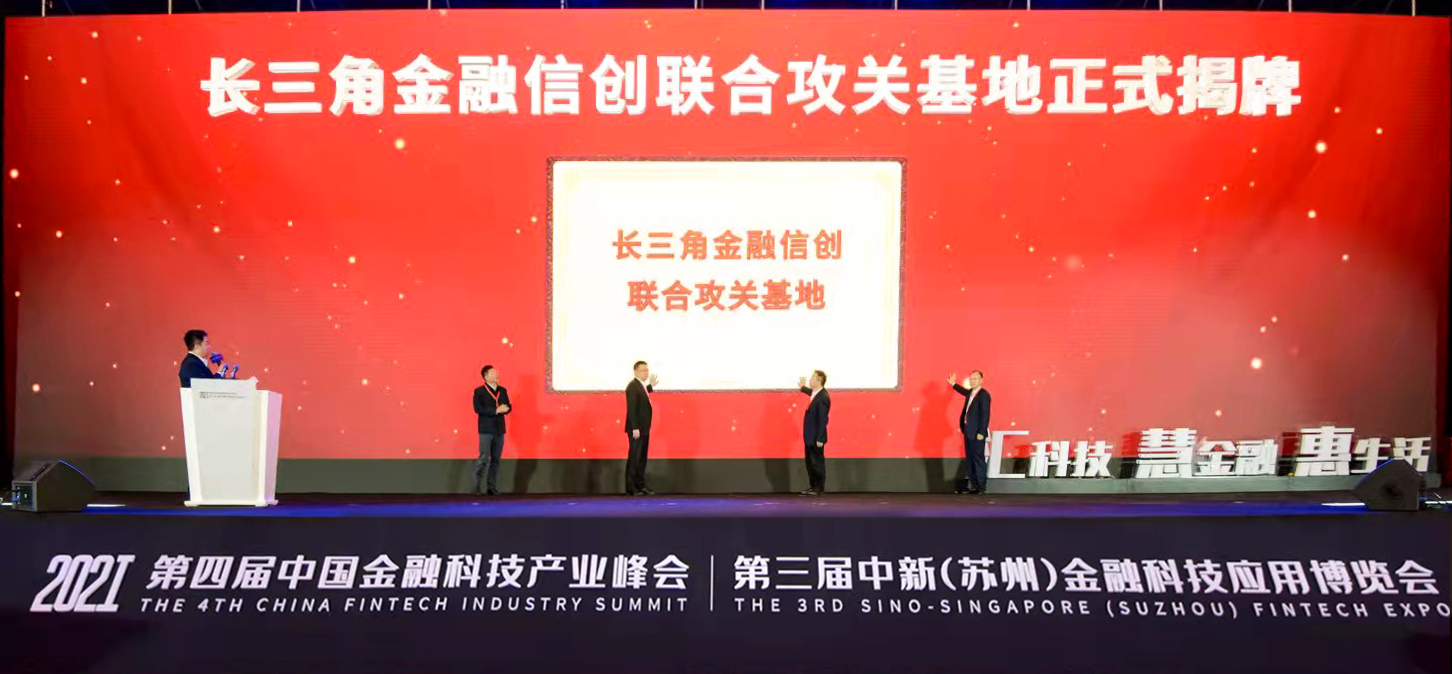
    At the same summit, the Yangtze River Delta Financial Credit Innovation Joint Research Base was also officially inaugurated and established. Sunline was invited to participate in the joint research base and contribute to the development of China’s financial credit innovation with other members of the base. By focusing on the pain points and challenges of the financial technologies, the research provides solutions such as software and hardware adaptation verification, product testing, and technical researches, providing ecological support in terms of achievement display, talent training, conference seminars, etc. 

    Under the “14th Five-Year Plan”, the financial technology sector will form a new development pattern. In the future, Sunline will continue to use its own technological innovation advantages and practical experiences in financial credit creation to accelerate the integration of the financial technology ecosystem and contribute to China’s financial technology.

  • Sunline Awarded Data Governance Expert Award at the 2021 DAMA China Data Management Summit

    Sunline Awarded Data Governance Expert Award at the 2021 DAMA China Data Management Summit

    On October 22-23, 2021 DAMA China Data Management Summit was organized and hosted by the International Data Management Association (DAMA) China in Jing’an District, Shanghai.

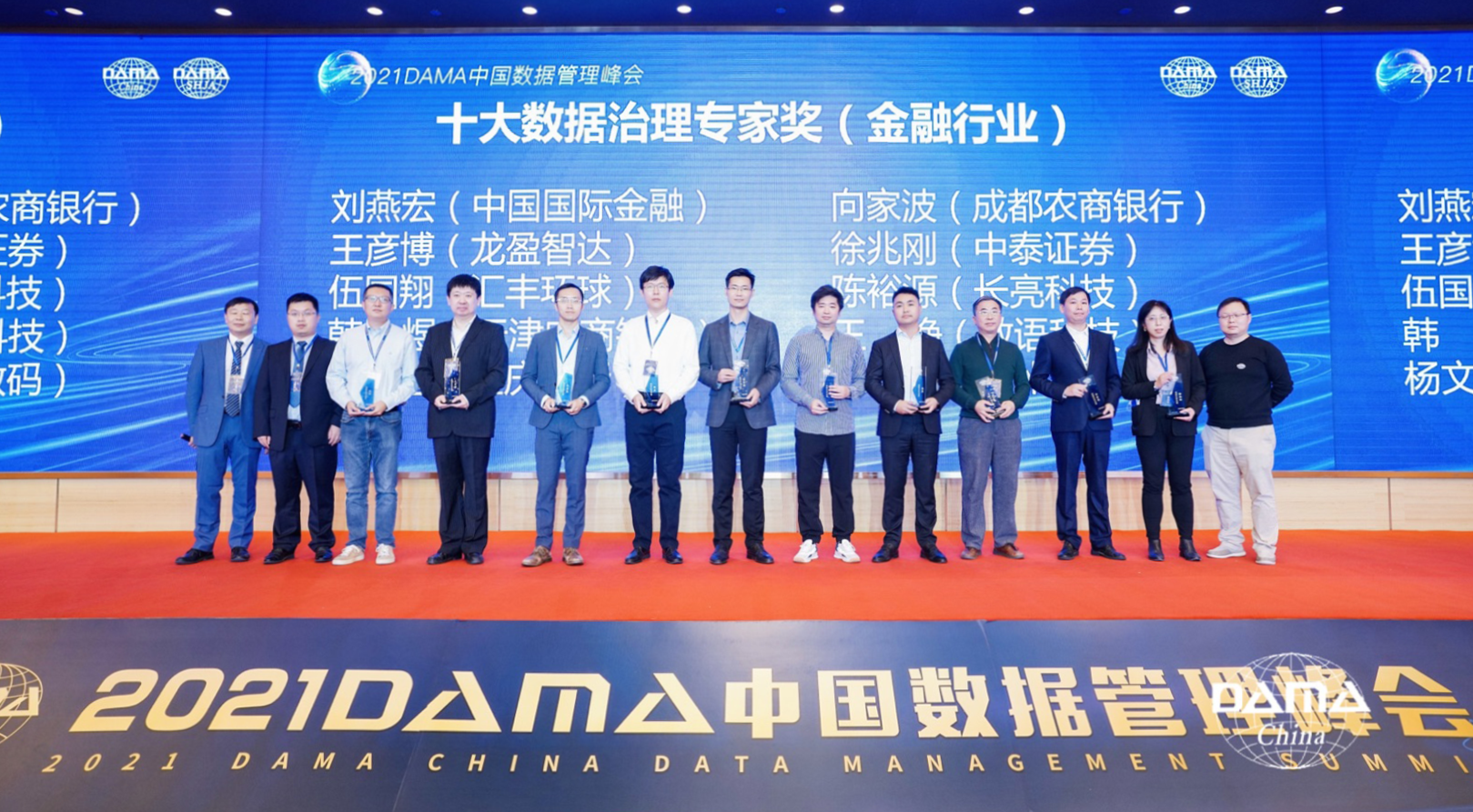
    The summit focused on data management and digital transformation, sharing the industry’s best practices and applications. During the summit, the winners for Data Governance Expert Awards were announced and Chen Yuyuan, General Manager of Sunline’s Data Asset Management Department won the “Top 10 DAMA China Data Governance Experts Award” for his outstanding project experiences in the field of data governance and excellent achievements in the industry.

    As a senior expert in the field of financial data governance for more than a decade, Chen Yuyuan has helped provide data governance consulting and implementation services for more than 60 financial institution customers. He also represented the company to participate in many national standards and industry standards planning, translation and proofreading of DAMA-DMBOK2 as well as assisted many banks to complete the appraisal of scientific and technological achievements of the People’s Bank of China, making numerous contributions to the development of the data governance field.

    During the summit, Sunline shared in-depth practices and applications in the field of data governance based on the company’s accumulated implementation experience in the field of data governance:

    Gu Min, General Manager of Sunline’s Big Data Business share the “Solution for Commercial Bank Data Management Application System”, focusing on the digital transformation path for commercial banks, from business digitization, digital assetization and asset servicing to service businessization, layered analysis and interpretation to help banks build an integrated data closed-loop, enabling banks to become smart banks with the support of financial technology.

    Chen Yuyuan gave a speech on “Enterprise Data Quality Governance with DMBOK2”, sharing the requirements of data quality standards, data quality testing, analysis, improvement and evaluation. The step-by-step guide aims to help business personnel to better participate in data quality governance. Chen shared that the key to the improvement of enterprise data quality lies in the establishment of business personnel’s quality concept. With the help of data standard management, data model management, metadata management, data quality management and other tools, business personnel can quickly establish a closed-loop data governance management and ultimately realize business driven through data quality management.

    China’s 14th five-year plan (FYP) and the country’s 2035 long-term goal outline pointed out that businesses should welcome the digital age, activate the potential of data elements and that a sound data governance system is conducive to the market-oriented allocation of data elements and plays an important role in promoting the high-quality development of the digital economy.

    Sunline has always placed high importance on ingenuity, continuously polishing data governance solutions, actively participating in the promotion of national-level data governance to help financial institutions tap the value of data assets to meet the opportunities and challenges under the digital wave as well as promoting the continuous improvement of China’s digital level and continuous innovation.

  • The Highlights of Sunline’s Third Quarter Wins

    The Highlights of Sunline’s Third Quarter Wins

    In the third quarter of 2021 where the market development is in full swing, Sunline has maintained a consistent and stable growth trend especially in the major banks and provincial rural credit market, with the winning of projects from China Merchants Bank, Ping An Bank, China Everbright Bank, Liaoning Rural Credit, Zhejiang Rural Credit Union, Bank of Nanjing and Jiangnan Rural Commercial:

    ·       Huaxia Bank

    Innovative intelligent application in banking managerial accounting

    In order to better play the role of the managerial accounting platform in supporting the transformation and refinement of management in the entire bank, Huaxia Bank launched the intelligent construction of managerial accounting, focusing on improving the intelligent level, intelligent analysis capabilities, data analysis, forecasting capabilities as well as data flexibility of the managerial platform.

    Sunline uses intelligent analysis models and technologies to provide Huaxia Bank with data analysis and decision support to establish customer value evaluation and tracking, realize data visualization and mobile data interaction and comprehensively enhance Huaxia Bank’s data analysis and decision-making support. The project will provide a good example for the deepening application of managerial accounting in the banking industry.

    ·       China Everbright Bank

    Big data services expand further into big banks

    With the continuous business development and strengthening of regulatory requirements, China Everbright Bank has put forward higher requirements on the quality of anti-money laundering inspection data and data preparation efficiency.

    With rich industry experience and in-depth understanding of banking regulatory requirements, Sunline has customized an optimized anti-money laundering inspection data management platform solution for China Everbright Bank which realizes enhanced anti-money laundering data inspection quality, data governance and corporate risk assessment, providing strong support for the bank to comprehensively improve the quality of incoming inspection data and efficiency of data preparation.

    ·       Liaoning Rural Credit Union

    In-depth data governance improving quality and safety

    In order to specifically rectify and supervise data quality, establish a long-term mechanism for data governance as well as leverage data value in operation and management, Liaoning Rural Credit initiated the construction of the second phase of its data governance project.

    Based on the results of the first phase of Liaoning Rural Credit Data Governance Project, Sunline has established a data asset and indicator management platform, expanding the scope of data management and control as well as continuously promote the management of regulatory data quality based on the “Data Security Management Measures” issued by Liaoning Rural Credit, enabling the establishment of a classification system for data security levels, sort out of data security threats, improvement of data security management strategies as well as comprehensively expand data security use, security management and control capabilities.

    ·       Bank of Jilin

    Another representative project in the general ledger field of provincial-level city commercial banks

    In order to solve the problems of insufficient multi-dimensional information, non-unified accounting and high pressure on business innovation, Bank of Jilin has established a centralized and unified accounting center for the whole bank. Bank of Jilin officially launched the construction of a transaction-level general ledger system. The transaction-level general ledger system customized by Sunline for the bank not only effectively supports the separation of transaction and accounting to realize unified management of accounting rules across the bank, drive business innovation and rapidly response to changes in accounting rules but also build a complete business and financial integration data model that consolidate the foundation of industrial and financial integration data, providing a reliable source of information for supervision, operation analysis and external letter approval. This project is another representative project of Sunline in the general ledger field of provincial-level city commercial banks after Hubei Bank, Sichuan Bank and Shanxi Bank.

    At the same time, Sunline also won the data warehouse project for the Bank of Jilin. In line with the requirements of the Bank of Jilin to implement unified data standard, Sunline provides a powerful technology platform for massive data calculation and complex model processing, realizing comprehensive logical centralization of data and data sharing that comprehensively, timely and accurately display the important operating conditions of the head office and branches to help Bank of Jilin to fully tap the value of data.

    ·       Huarong Xiangjiang Bank

    Create a full-function core banking system for provincial-level city commercial banks

    Huarong Xiangjiang Bank is a provincial-level city commercial bank based in Hunan. Since its establishment, it has closely followed Hunan’s economic and social development strategy and actively implemented the development tenet of “based on Hunan, relying on Hunan, supporting Hunan and serving Hunan”. In order to provide customers with an all-rounded and characteristic financial services as well as comprehensively enhance the bank’s business innovation and competitiveness, Huarong Xiangjiang Bank initiated the construction of a new generation core banking system.

    Sunline will build a new generation core banking system for Huarong Xiangjiang Bank which will realize flexible product configuration and rapid customization, differentiated customer pricing, unified channel support, multi-legal person support, refined data collection and other full-function modules to provide the bank with complete channels and flexible operation supports that can quickly innovate products, scientifically control risks as well as comprehensively improve business processing efficiency and customer service capabilities.

    ·       Zhejiang Tailong Commercial Bank

    Create a new generation smart financial system with highly interconnected data

    Zhejiang Tailong Commercial Bank is a joint-stock city commercial bank. Since its establishment, it has always insisted on “serving small and micro enterprises as well as practicing inclusive finance”. In order to further enhance the digital, intelligent and refined level of the bank’s financial management, technical means are used to improve financial efficiency, optimize user experience and strengthen financial risk control for the bank and Zhejiang Tailong Commercial Bank decided to launch a smart financial system.

    Sunline has customized a new generation smart financial system for the bank to undertake business-related systems, issue management applications and conduct close data interconnection with a large number of systems, realizing the integration of industry and finance through scenario-based management of expenses and providing high value for business decision-making data that penetrates the essence of the business. At the same time, it also realizes intelligent identification and intelligent filling of forms on the employee side, intelligent risk control and intelligent accounting on the financial side, efficient, rapid approval and intelligent analysis on the leadership side as well as comprehensively improves the management and operation efficiency of the bank.

    ·       Liuzhou Bank

    Create a highly agile data center with “real-time capabilities”

    In order to satisfy applications such as mobile banking and cockpit management to obtain real-time data services and improve the efficiency of operation and management, Liuzhou Bank has made every effort to create a data middle-office project.

    Sunline uses real-time data collection technology combined with real-time computing components of the big data platform to integrate offline data and real-time data, flexibly arranging the combined data as needed and publishing it to the data service gateway through API, service subscription, etc., to build a unified data service system in order to quickly respond to the real-time data service needs of Liuzhou Bank’s business staff and system developers, ultimately realize flexible, configurable and fast-response data service capabilities.

    Looking at the growth in the third quarter, Sunline has shown outstanding performance in the core banking system, big data, financial management and other fields. With strong innovation strength, comprehensive product lines and professional services, Sunline has empowered high-quality transformation and development of financial institutions.

  • API Gateway in Enterprise-level Microservices Architecture

    API Gateway in Enterprise-level Microservices Architecture

    Since the birth of Sunline API Gateway, it has been applied in dozens of financial customer projects such as Bank of Communications, Bohai Bank, Minsheng Bank’s Credit Card Business, etc. with numerous production tests, displaying high performance and high reliability.

    With the development of microservices architecture, the legacy coarse-grained application is divided into many fine-grained microservices. With each service having its own API services and the demands between services have become intricate and complicated, issues such as unified API management, API security, traffic forwarding, and traffic management have become particularly prominent.

    Breaking the game—introducing the API gateway

    How to solve the problems associated with the development of microservices architecture, an extra layer needs to be introduced between the client and the services as a reverse proxy that initiates request routing from the client to the services which is similar to the appearance pattern in object-oriented design, providing a single entry-point for the API that encapsulates the underlying system architecture, the API gateway.

    In short, the API gateway uses a single and unified API entry point to combine one or more internal APIs. The API gateway takes over all ingress traffic and forwards all user requests to the back-end server, uniformly managing the entire life cycle of the API.

    The function of the gateway is not as simple as that. The API will also perform traffic governance such as authentication, current limiting, permissions, fuse, protocol conversion, error code uniformity, caching as well as traffic monitoring such as logs, monitoring, alarms, and security precautions such as protocol security, Access security, message security, etc. With the gateway unifying the services, the business side can focus more on the business logic and improve iteration efficiency. Hence, the importance of API gateway is evident.

    The API gateway brings multiple values to the microservices architecture system:

    • Isolates the external and internal to ensure the security of back-end services.

    • Transforms external access control from the network level to the operation and maintenance level, reducing the change process and error costs.

    • Reduces the coupling between client and services, enabling independent development of services through the mapping of gateway layers.

    • Reduces the frequency of external access and improve access efficiency through gateway layer aggregation.

    • Saves cost of back-end service development and reduces risk of going online.

    • Provides simple solutions for service fusing, grayscale release and online testing.

    • Facilitates application-level expansion.

    As the entrance of traffic, the non-functional characteristics of the gateway such as high performance, high availability and scalability are crucial.

    Sunline API Gateway relies on its good scalability to continuously improving and enriching its functions to dock with many internal and external systems, expand multiple access and access protocols. The gateway also supports multiple traffic management strategies and provide more comprehensive security defense control.

    The following is a detailed analysis of the design practice of Sunline’s API gateway from three aspects: the overall design of API gateway, API governance design, and API security.

    The overall design of Sunline API Gateway:

    1. Technical architecture design with maximum functional decoupling

    At present, the maximum functional decoupling is not achieved. On this basis, Sunline has innovated comprehensively. The gateway service is divided into two parts: the control end and the operation end which are operated separately, so that the gateway operation service is separated. External dependence truly decouples the gateway to the maximum extent.

    The API gateway adopts a front-end and back-end separation architecture model, is developed in Java language and uses the current mainstream technology stack Spring Boot and Spring Cloud systems.

    • The main function of the control terminal is to manage gateway configuration, UI interaction, push data to the gateway running terminal, etc. The control terminal and the server side have a clear division of labor so that the gateway running terminal that is really responsible for processing the request will strive to maximize resources.

    • The running end of the gateway is the gateway service. The core mechanism is the filter chain mechanism, the access and output mechanism. The gateway running end is docked with a variety of basic components including the monitoring center, Registration center, link center, log center, configuration center, etc. In order to ensure that the parameters configured by the user are lost in push, the gateway operation service will also regularly pull data from the gateway management and control service to achieve the effect of two-way data synchronization.

    2. Highly expandable design provides more comprehensive expansion

    The gateway running side adopts SPI mechanism which greatly increases the scalability of the gateway. In addition to the filter extension and management function extension that are supported on the market, Sunline can also provide access protocol extension, encryption and decryption. The expansion of multiple locations such as mode and message greatly increase the scalability points of the gateway.

    • The filter extension function of the gateway belongs to a filter chain in the entire project. Filter of the gateway can be chosen through dynamic configuration of the page, for example the addition of a certain authentication mechanism to expand the filter chain.

    • Access extension on the basis of the existing gateway multi-protocol to extend an access protocol, such as Dubbo, TSF, etc.

    • Encryption and decryption extension extend new algorithms and rules such as encrypt and decrypt request, response messages and add signature verification.

    • Gateway request response secondary extension supports the modification of the access request and the received response at the gateway level.

    • Extended gateway response code and response information extension of the gateway response to the code and information is used to adapt to various response code response format requirements.

    Except for the filter extension, the other extensions are for inbound and outbound.

    3. High-availability design-logical cluster division with easy management and maintenance

    The gateway is divided into two services, the control end (data control) and the running end (API call), and they run separately. The running end uses local cache to store information without any read library operations. When the control end is Down, it can still continue. API call.

    The gateway server adopts a stateless cluster architecture that can contain multiple gateway instances. The cluster can be classified as a logical instance with each instance corresponds to only one gateway control terminal to prevent data confusion. Compared to the physical cluster division that is commonly used on the market, this logical cluster division is better to manage and maintain.

    The gateway control end will actively send heartbeat detection to the running end and the gateway running end will periodically synchronize data to the control end to prevent inconsistencies caused by abnormal data synchronization at the control end.

    The client accesses the gateway instance through the load balancer. The load balancer can adopt soft load or hard load mode. The load balancer can use MS architecture to avoid single points of failure.

    API governance design:

    1. API current limit

    Limits the number of times API is accessed, ensuring the service to run normally under pressure and prevent the service from crashing due to excessive traffic. Distributed current limiting is implemented by distributed cache Redis.

    When a request enters the RateLimiter Filter, a set of keys will be constructed according to the current request, then judged whether Redis is available. If it is available, Redis will be used for cluster current.          

    2. Fuse downgrade

    When the service fails, in order to prevent the failure of the entire system, a fuse downgrade strategy is adopted for the system. Fuse downgrade processing can be performed according to dimensions such as the average response time, the proportion of abnormalities in seconds and the number of abnormalities in minutes.  

    3. API routing

    API routing refers to invoking routing to different back-end services. Gateways support routing based on client IP, ratio, caller and custom methods according to the invocation as well as also support priority configuration.

    Four modes of API routing include IP mode, keyword mode, tenant mode and proportion mode.

    API security:

    1. Protocol security

    In order to ensure the security issues in the process of accessing the API, the gateway has added support for https in the design and the access method of https can be used directly to access the API in the gateway.

    2. Access security

    In many cases, the API is directly exposed to the public network so it is likely to be accessed maliciously. What the gateway has to do is to prevent such malicious access from occurring. Through JTW authentication access, permission control, signature authentication, black and white lists as well as other means to reduce the risk of API will be maliciously accessed.

    Compared to a single access security method, Sunline’s access security is more comprehensive in addition to the existing access security as it can continue to expand other security methods:

    • Through authority control interface authorized by the administrator, the client has authority to access. If it is not authorized, it will be intercepted at the gateway and the response will be given to the client without access rights.

    • Through signature authentication, the request parameters are generated by the SHA256 algorithm | RSA | national secret and other operations to generate a signature value according to the rules. The gateway verifies the customer’s signature and continues after the verification is successful, otherwise it will be directly intercepted.

    • Black and white list verify configuration.

    • Through JWT authentication, a token from the gateway is applied before accessing the API. Each time the API accesses the Token, the gateway will analyze the Token including Token validity period verification, access authority verification and visitor identity verification, proceeding and intercepting as necessary.

    3. Message security

    When the client calls the API, the security of the incoming message is very important. The gateway ensures the security of the message by encrypting/signing the message.

    • Encryption of the message ensures the security of the message during the access process. In addition to the currently supported AES, DES, RSA and national encryption methods, other encryption and decryption methods can be extended through the SPI mechanism.

    • Signing the message to ensure the integrity of the message during the access process in addition to the currently supported RSA, SHA256 and national secret methods. Other signing methods can also be extended through the SPI mechanism.

    4. Traffic safety

    As an entrance of all applications, the gateway carries the access of massive traffic and the pressure of malicious traffic attacks that may erupt at any time. Therefore, flow control is a necessary part of gateway security to ensure the normal operation of the service and prevent the service from crashing due to excessive traffic.

    Summary

    In the rich practice of financial customers, Sunline believes that as a portal for enterprise capabilities, API gateways not only have basic request forwarding, protocol conversion, routing, security control and other functions but also high performance and high stability. It needs to have good scalability to facilitate the continuous enhancement of gateway capabilities. During the implementation of the gateway, it is necessary to plan the interaction between the gateway layer and the service layer. The decoupling of the gateway layer and the service layer to facilitate the independence of the work of each team and at the same time, in the management of the API, it is necessary to provide the full life cycle of the API to support management functions such as publishing, configuration, authentication, flow control and monitoring.

    Whether it is microservices, distributed architecture or grid service architecture, API gateway is an indispensable part. As the traffic changes between services show explosive growth, API gateway serves as the system entry, playing an increasingly important role in the performance and reliability improvement of the system.

  • Sunline Invited to 2021 Asia Economic and Entrepreneurship Summit to Discuss on Challenges About the Digital Economy in Asia

    Sunline Invited to 2021 Asia Economic and Entrepreneurship Summit to Discuss on Challenges About the Digital Economy in Asia

    The 2021 Asia Economic and Entrepreneurship Summit is a leading regional economic forum organized annually by KSI Strategic Institute for Asia Pacific, the Pacific Basin Economic Council (PBEC) and China Daily allowing Government, Business, Civil Society and Thought Leaders to discuss the key trends, strategic challenges and major issues impacting businesses and industries in Asia. 

    With the pandemic causing tremendous disruptions across the Asia region, the rebuild of the new normal requires resilience, agility and adaptability as well as government support, with great focus on digitalization, technology and innovation. Building shared prosperity as well as sustainable and inclusive growth are the key challenges. As the leading financial technology service provider, Sunline was invited to join in the virtual panel discussion session represented by Matthew Chen, CEO of Sunline Holding to discuss the prospects for digitalization, the digital solutions for the new normal as well as how technologies like AI, blockchain, digital payments and Internet of Change impact on economic growth.

    If you missed the pane session at 2021 Asia Economic and Entrepreneurship Summit on the Challenges of the Digital Economy in Asia, you can watch the full panel session below:


  • Sunline the Only Financial Industry Partner Awarded 2021 Huawei Global Excellent Industry Solution Partner

    Sunline the Only Financial Industry Partner Awarded 2021 Huawei Global Excellent Industry Solution Partner

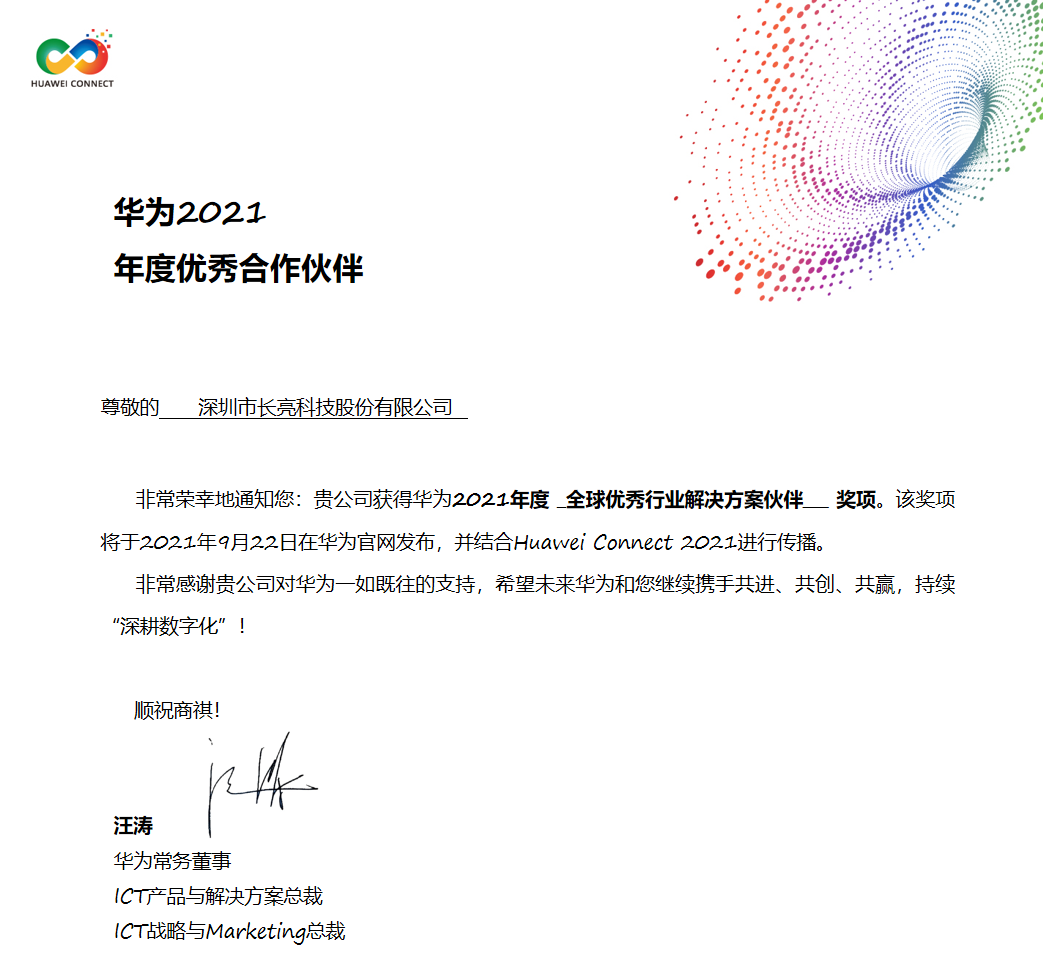
    During the Huawei Connect 2021 recently, Huawei announced the list of 2021 award-winning excellent partners in the field of ICT infrastructure. Sunline joined the ranks among other outstanding partners and is the only global winner in the financial industry.

    More than 1,800 solution partners worldwide were assessed and the most prominent partners were selected based on how they give full play to the advantages of Huawei’s products through close collaborations and the significant success they have achieved in their relative industry.

    In the past year, Sunline and Huawei have joined forces to launch a number of joint solutions in the global financial field and have successfully implemented them to jointly accelerate the digital transformation of the financial industry worldwide.

    In China, Sunline and Huawei have jointly launched solutions such as the full-stack distributed core banking system based on Kunpeng’s ecosystem and Huawei’s financial integrated data warehouse. The distributed core banking system and Kunpeng 920 server have been put into operation in China. At the same time, the joint solution based on openGauss data center has also been put into production in nearly 10 banks.

    In the international market outside of China, Sunline and Huawei have jointly launched a digital banking solution that runs on Huawei’s public cloud as well as a global contactless swift loan all-in-one solution. Currently, the digital banking solution based on Huawei’s public cloud’s digital loan business system has been implemented in Indonesia’s Bank Neo Commerce. With its advantages in enabling the bank’s business transformation during the epidemic with precise and rapid lending support, the solution is highly recognized by top banks.

    As Mr. Wang, the Chairman of Sunline said, “The collaboration between Sunline and Huawei is an open ecosystem. In the past two years, our has embarked on a virtuous circle. We hope to continue and deepen this partnership in China and abroad.”

    In the future, Sunline will continue to work hand in hand with Huawei and invest more resources into the full-stack Kunpeng ecosystem to jointly promote the transformation of global financial technology and help more financial customers succeed in the new normal.

  • Sunline and Huawei Officially Launched Joint Distributed Core Solution at Huawei Connect 2021

    Sunline and Huawei Officially Launched Joint Distributed Core Solution at Huawei Connect 2021

    Huawei’s global annual flagship event for the information and communications technology (ICT) industry, Huawei Connect 2021 with the theme “Dive into Digital” convened leaders and experts from the ICT industry to enable cross-border exchanges about digital transformation. The summit on September 23 Huawei and industry experts presented highlights of the event from a unique perspective to explain the latest trends and insights around digital transformation, discuss the in-depth business scenarios and cone000 build together Open and win-win industrial ecology.

    As a vital ecological partner of Huawei’s financial industry, Sunline was invited to participate in the summit in which both companies officially released a new generation joint distributed core solution. The solution applies Huawei Gauss database, runs on Huawei’s Taishan server and Kunpeng chip as well as equipped with the technologies of Sunline’s distributed core business system to create a new core solution with novel experience, capabilities, speed, architecture and foundation.

    In the sub-forum “Diving into Cloud Transformation to Facilitate Agile and Innovative Financial Services”, Sunline introduced the characteristics of the joint solution in detail. Adopting advanced distributed, unitized and microservices framework, Sunline’s core business system merges with Huawei’s six major technical components and covers more than 500 business scenarios such as deposit applications, loan applications, bank card applications, public operations and end-of-day batches. The financial scenario tests are all based on the number of accounts and customers at the level of 100 million basing on the capabilities of Huawei’s Kunpeng server, operating system, distributed database as well as operation and maintenance services provided by Huawei Cloud.

    The joint solution has a qualitative improvement in terms of capacity, throughput, rapid deployment and elastic expansion compared to a legacy core solution based on a single architecture:

    –   In terms of application deployment, the new generation core solution supports containerized deployment, reducing deployment efficiency from hourly to minute and increasing deployment efficiency by more than 90%.

    –   In terms of high availability, the overall solution can easily achieve dual-active in the same city with disaster recovery time index reduced to 5 minutes with an 83% reduction.

    –   The system can complete deployment and start-up of the new financial business unit within 2 hours, realizing the rapid increase of the logical computer room and greatly improving the elastic expansion capability of the core application solution.

    Sunline and Huawei have established multi-level in-depth collaborations, with not only the integration of Sunline’s core business system with the full integration of Huawei hardware + operating system + database and Huawei Cloud ecosystem, but also the successful implementation case in the industry. In the future, further collaborations between Sunline and Huawei will bring greater imagination to the market, helping the financial industry to accelerate their digital transformation.