Blog

  • Sunline Delivers Core Control Model for China’s Trillion-Yuan SOE Group

    Sunline Delivers Core Control Model for China’s Trillion-Yuan SOE Group

    A major diversified Central State-Owned Enterprise (SOE) Group in China with assets totaling ten trillion yuan, recently achieved a critical breakthrough in its data middle office initiative. The “Group Control Domain Model Project” has successfully completed its stage-one go-live. This accomplishment marks a significant step forward in the customer’s digital governance capabilities, laying a solid foundation for the development of a new data foundation that is defined by unified standards, assetization, and service orientation.


    Strategic Planning | Co-Developing the Data Middle Office Blueprint

    As they expanded its business diversification, it faced critical challenges such as data silos, inconsistent standards, and inadequate sharing, which directly impacted the effectiveness of fine-tuned management and the quality of strategic decision-making. They has formally initiated the construction of its data middle office by partnering with Sunline to finalize the overall blueprint, which now provides comprehensive guidance for establishing an integrated data middle office solution covering collection, governance, utilization, and intelligence.

    The resulting plan is anchored by a foundation of data integrity and cleanliness. By adopting penetrative data governance and achieving full-domain data integration, the project aims to build highly efficient and centralized intelligent data capabilities. This approach involves deeply embedding AI technology to drive smart analysis and decision-making, comprehensively enabling the group’s fine-tuned control, risk identification, business innovation, and operational efficiency improvements.


    Model Construction | Achieving Significant Penetrative Asset Management

    Under the guidance of this blueprint, Sunline place their solution in the project, driving the development of the data model system across eight core control areas:

    ●      Asset Management

    ●      Financial Sharing

    ●      Tax Management

    ●      Contract Management

    ●      Procurement Management

    ●      Risk Control Management

    ●      Travel Management

    ●      Foreign Affairs Management


    Leveraging DataMind for accelerated development and automated program generation, the project rapidly designed and developed 348 data model tables in a mere 37 days. This fast deployment established a full-link data foundation spanning data collection, integration, service, and application, setting the essential groundwork for the customer to achieve the valuable capability of “process once, reuse everywhere.”

    The results in the asset management domain were significant as the project completed comprehensive data collection, cleansing, and governance across 11 major subsidiaries (involving sectors like highways, ports, logistics, shipping, and urban development), covering over 1,000 standard asset categories. This effort culminated in a unified corporate asset data view, realizing digital penetrative management across the full lifecycle and scope of assets, and providing robust support for asset value visualization, operational efficiency enhancement, and risk management.


    Value Realization | Business-Finance Integration Empowers Decision-Making

    Business-Finance Integration has become a crucial path for achieving high-quality development, as it is necessary to comply with China’s State-Owned Assets Supervision and Administration Commission (SASAC) mandate for establishing world-class financial management systems, and to fulfill key financial control and penetrative management tasks outlined in the Group’s 14th Five-Year Plan strategy.

    The project established unit-level cost measurement (e.g., cost per vessel) and dedicated project accounting (e.g., a single ledger per project) as initial pilot scenarios, successfully bridging data barriers between business and financial systems. This integration delivers real-time project cost accounting and intelligent fund execution early warnings, effectively driving the transformation of financial management from a focus on compliance and asset protection to one of strategic value creation. This establishes a new model for data-driven business decision-making.

    This stage-one go-live represents a critical milestone for the customer’s digital transformation journey, and offers a proven model for group control and data governance across large enterprises. Moving forward, Sunline will leverage the expertise gained from this implementation to empower more organizations and accelerate the realization of the profound value of data elements through deeper data application.
  • Empowering Indonesia’s Financial Sector with a Smart-Core Platform for Future-Ready Modernization

    Empowering Indonesia’s Financial Sector with a Smart-Core Platform for Future-Ready Modernization

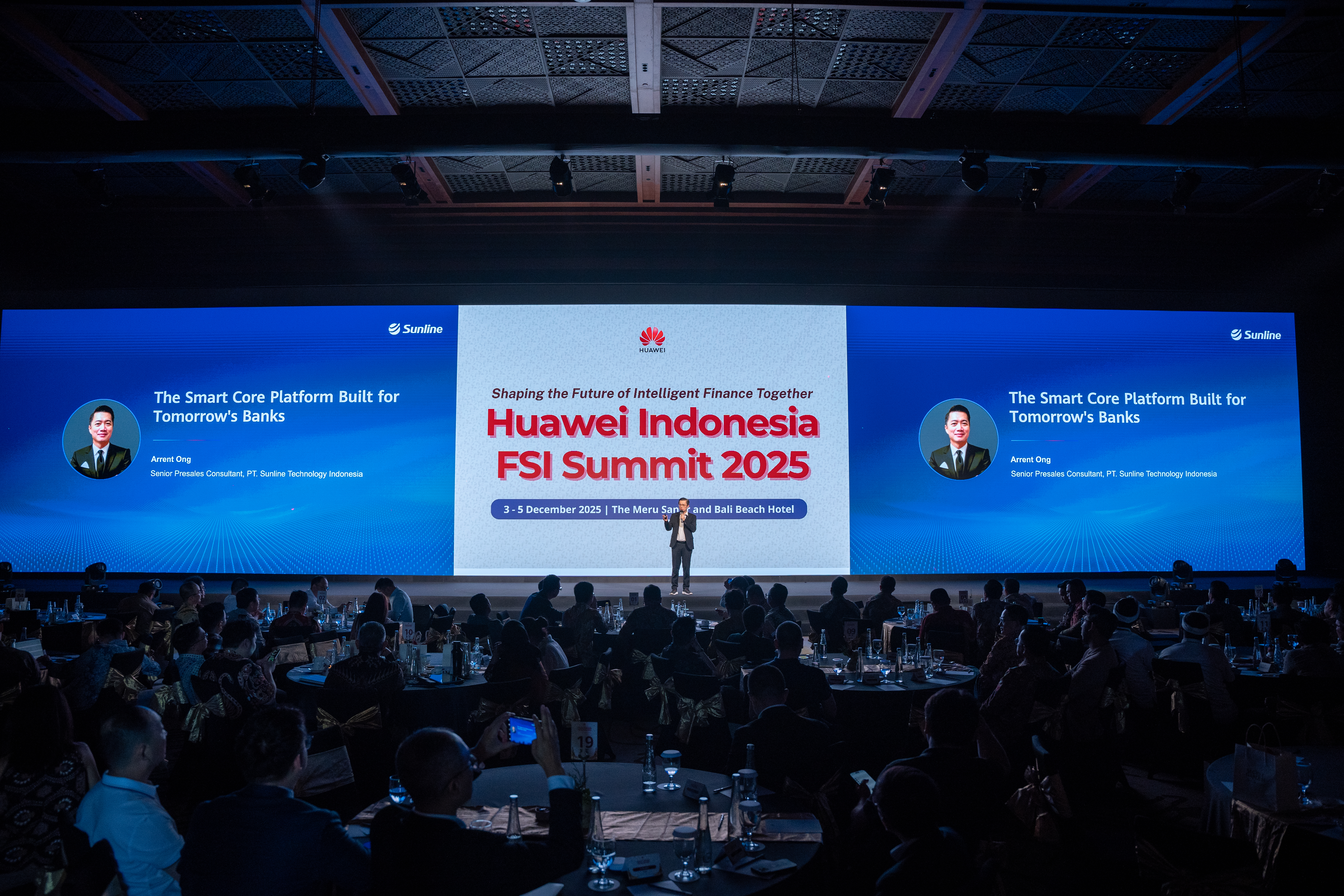
    At the Huawei Indonesia FSI Summit 2025, Sunline, recognised as a key partner under Huawei’s Ronghai Program, spoke in the partner keynote session alongside TrustDecision, SpeaklyAI and Cloudwise, contributing insights on the next phase of intelligent finance.


    Held under the theme “Shaping the Future of Intelligent Finance Together,” the summit convened banks, regulators and ecosystem partners as Indonesia advances rapidly toward more resilient, intelligent and data-driven financial operations. With digital payments accelerating, mobile financial services expanding and regulatory expectations rising, the topics focused on strengthening ecosystem alignment to help fast-track Indonesia’s digital and intelligent finance ambitions.


    Sunline local expert, Arrent Ong brought forward the strategy behind building a smart core platform built for tomorrow’s banks that designed to deliver intelligence, speed and personalised digital services at scale. Amid the shifts created by banks’ legacy core systems that slow change, complicate integration and restrict real-time decisioning, Sunline’s SunCBS advances its One Platform, Two Cores (1P2C) strategy through a Unified Service Architecture and an integrated architecture that brings together the transaction processing core and the data intelligent core, enabling real-time decision-making and end-to-end process automation powered by data intelligence and AI.


    Together, Sunline and Huawei enable institutions in Indonesia to build a modern, secure and scalable foundation, uniting Sunline’s smart-core architecture with Huawei’s high-performance infrastructure to support sustained digital progress and future-ready growth.

  • Sunline Powers Next-Generation Performance Management for a Leading City Commercial Bank

    Sunline Powers Next-Generation Performance Management for a Leading City Commercial Bank

    Sunline has been selected by a leading city commercial bank to deliver a next-generation performance management system, supporting the bank’s ongoing performance management digitalisation initiative.

    The project winning reflects the recognition of Sunline’s performance management solution by the bank, built on forward-looking performance management concepts, proven technical capabilities, and extensive implementation experience in the banking sector.


    Consulting-Led Delivery Model

    As a fintech service provider with long-standing experience in banking performance management, Sunline has established a dedicated consulting team comprising performance management specialists, data analysts, and business requirements analysts.

    With more than 15 years of practical experience in commercial bank performance management, bank can apply a full-cycle service methodology covering:

    In-depth Diagnosis → Taylored Design → Implementation → Dynamic Optimization

    This approach supports the design of differentiated assessment frameworks across corporate banking, retail banking, and financial markets, delivering an integrated solution that combines management enablement, system support, and implementation execution.

    Sunline has adopted a consulting-first delivery model for the project. The consulting team will systematically assess the bank’s current performance assessment practices, identify management and process pain points, clarify business rules and application scenarios, and review end-to-end performance data linkages. This ensures that performance indicators accurately reflect business logic and reduces the risk of misalignment between systems and business operations.


    Digital Enablement of Performance Management

    Based on the consulting outcomes, Sunline will support the bank in optimising the architecture of its next-generation performance management system, clarifying system positioning and improving coordination with related systems.

    The project will also include refinement of performance management product capabilities to ensure alignment with the bank’s requirements, as well as end-to-end training covering assessment rules, business requirements, and system operations, supporting effective system adoption after go-live.

    To create a more efficient and intelligent performance management model, Sunline will undertake innovation within the scope of this project, focusing on building an ecosystem that clarifies the relationship and positioning between the performance management system and surrounding systems. Key areas include advancing real-time performance analysis and intelligent calculation, establishing indicator anomaly monitoring and alert mechanisms, optimising system architecture to enhance performance and user experience, and applying AI technologies in scenarios such as client manager productivity analysis to support management decision-making.


    Management Value Objectives

    Through systematic optimisation and enhancement, Sunline’s solution will support the bank in achieving the following objectives:

    1. Guiding Strategy Implementation and Scientific Evaluation

    • Closely align performance assessment with the bank’s strategy and promote effective strategy execution

    • Refine the assessment framework to improve evaluation accuracy and foster a fair and transparent performance environment

    2. Empowering Business Growth and Efficiency Improvement

    • Cultivate a proactive performance culture that supports business development

    • Establish a standardised KPI library, streamline assessment workflows, and improve operational efficiency

    3. Building a Flexible and Efficient System Architecture

    • Respond efficiently to changing business requirements through dynamic configuration of performance schemes

    • Clarify system positioning and support continuous optimisation in line with the bank’s operating needs

    4. Solidifying the Data Foundation to Support Management Effectiveness

    • Consolidate existing performance-related data and strengthen the performance data foundation

    • Improve data management practices to support more efficient use of resources and deeper analytical insight


    Looking Ahead

    In recent years, Sunline’s performance management solutions have been adopted by multiple provincial banks and leading city commercial banks. This project further strengthens Sunline’s position in the performance management segment.

    Sunline will continue to deliver efficient and practical solutions, supporting banks in advancing performance management digitalisation and refined management practices.

  • New Benchmark: Sunline Launches 5 New Core Banking System in 90 Days

    New Benchmark: Sunline Launches 5 New Core Banking System in 90 Days

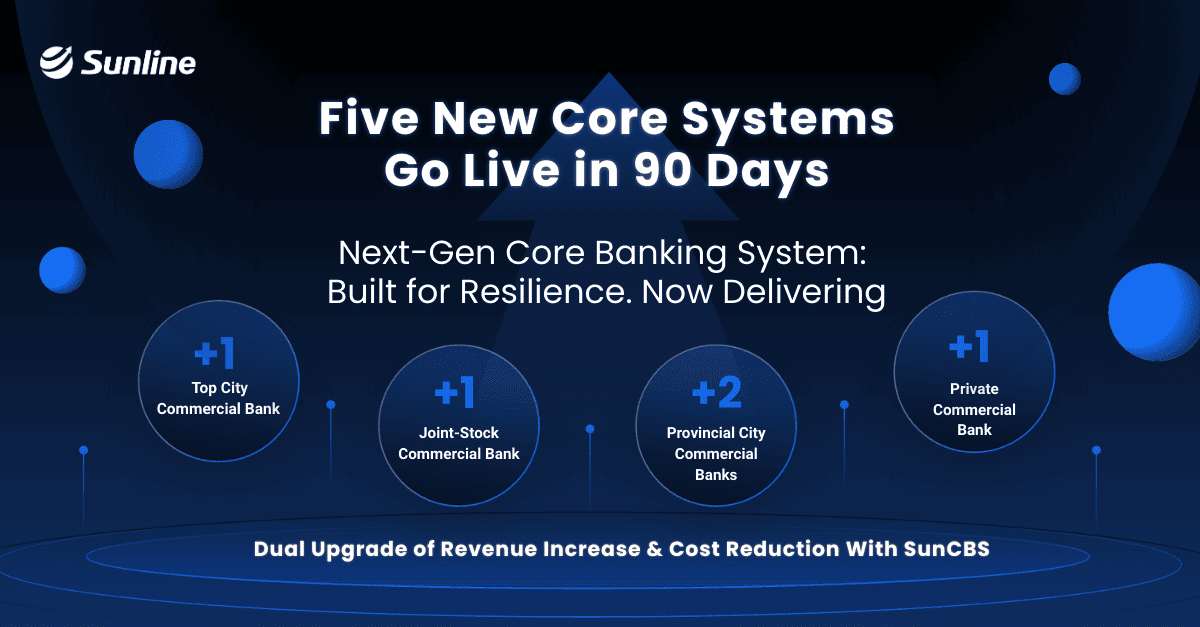
    Sunline has successfully go-live with SunCBS, a next-generation Distributed Core Banking System at five China banks in the past three months.


    This achievement sets a definitive benchmark for the digital transformation of both nationwide joint-stock commercial banks and regional banks in China. SunCBS has demonstrated excellent stability and scalability, delivering effective improvements in processing efficiency and business support capabilities. This momentum solidifies the banks’ digital foundation necessary for serving the real economy.


    The new core system leverages an enterprise-level microservices framework and application development platform, employing a brand-new “Microservices + Cell Deployment” distributed architecture. This design supports the flexible combination and splitting of business service deployment, enabling flexible unit-based deployment and rapid capacity expansion. This technical foundation is crucial for banks looking to enhance customer experience, accelerate service response times, and empower business innovation.


    SunCBS is not only capable of supporting explosive future business growth and meeting the massive data and transaction processing demands of the Big Data era. it also uses technology to drive comprehensive integration and optimization of business functions. This enables banks to rapidly capture customer needs with agile product, pricing, and marketing strategies, allowing them to seize the initiative in a constantly changing market.


    As the banking industry enters a period of intensive new core system deployment, Sunline’s technical strength and delivery capability have been deeply validated across the sector. Looking ahead, Sunline will continue to provide more advanced technology, more reliable products, and more professional services to forge a secure, efficient, and intelligent “Financial China Core”, incline wiith the digital bedrock for banks facing the opportunities of the 15th Five-Year Plan.

  • Sunline Showcased AI-Powered Solutions at Huawei Cloud & AI Summit Singapore 2025

    Sunline Showcased AI-Powered Solutions at Huawei Cloud & AI Summit Singapore 2025

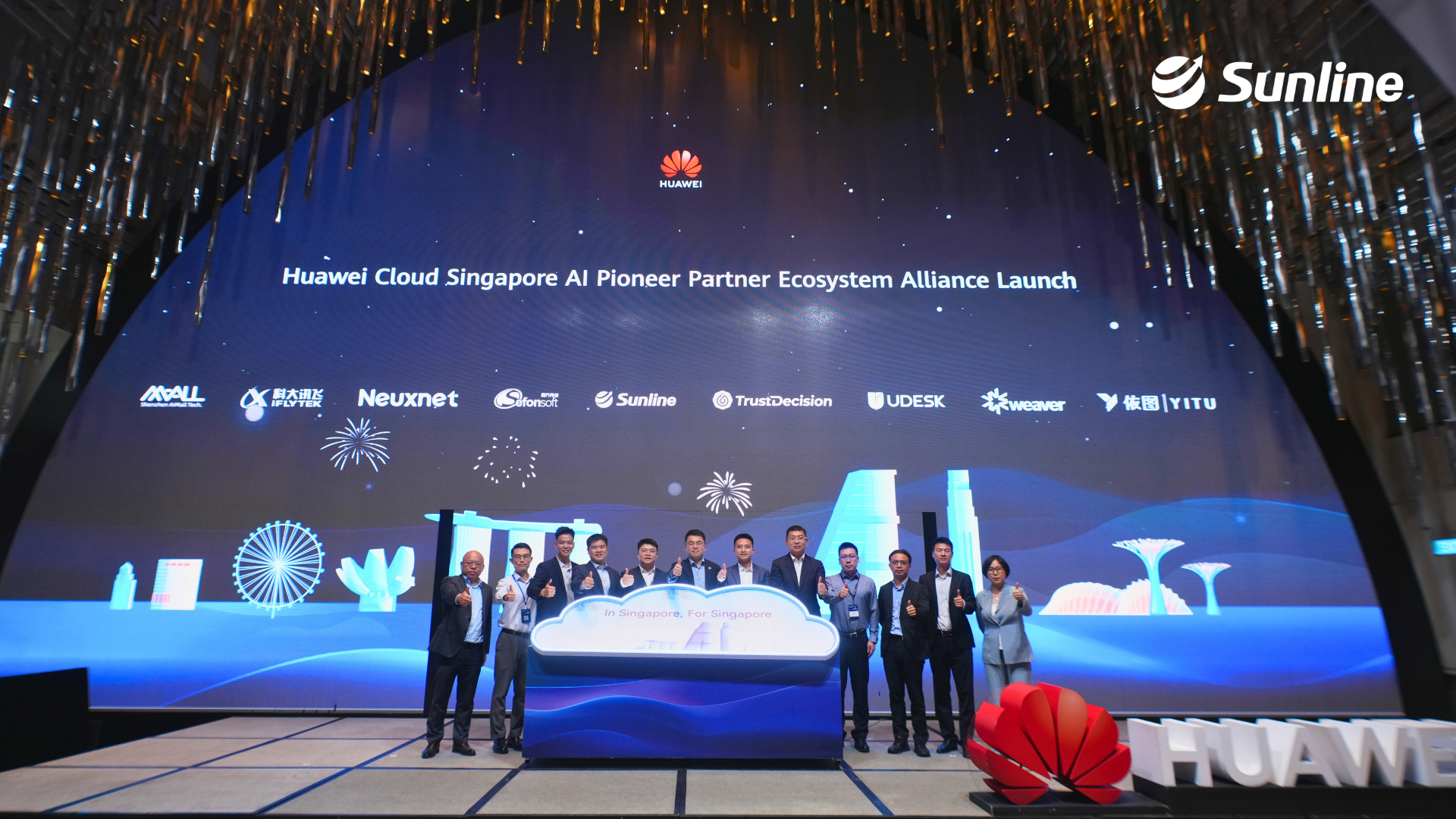
    Singapore, November 2025 — Sunline participated in the Huawei Cloud & AI Partner Summit Singapore, held on 27 November 2025 at JW Marriott. Sunline showcased its DataMind AI solutions, demonstrating how Sunline’s innovative solutions empower banks to streamline business operations, optimize services through the keynote address and exhibition booth. Further reaffirming Sunline’s leadership in digital transformation within the financial sector. 

    Sunline representative (3rd from the right) participate in Huawei Cloud Singapore’s AI Partner Launching Ceremony

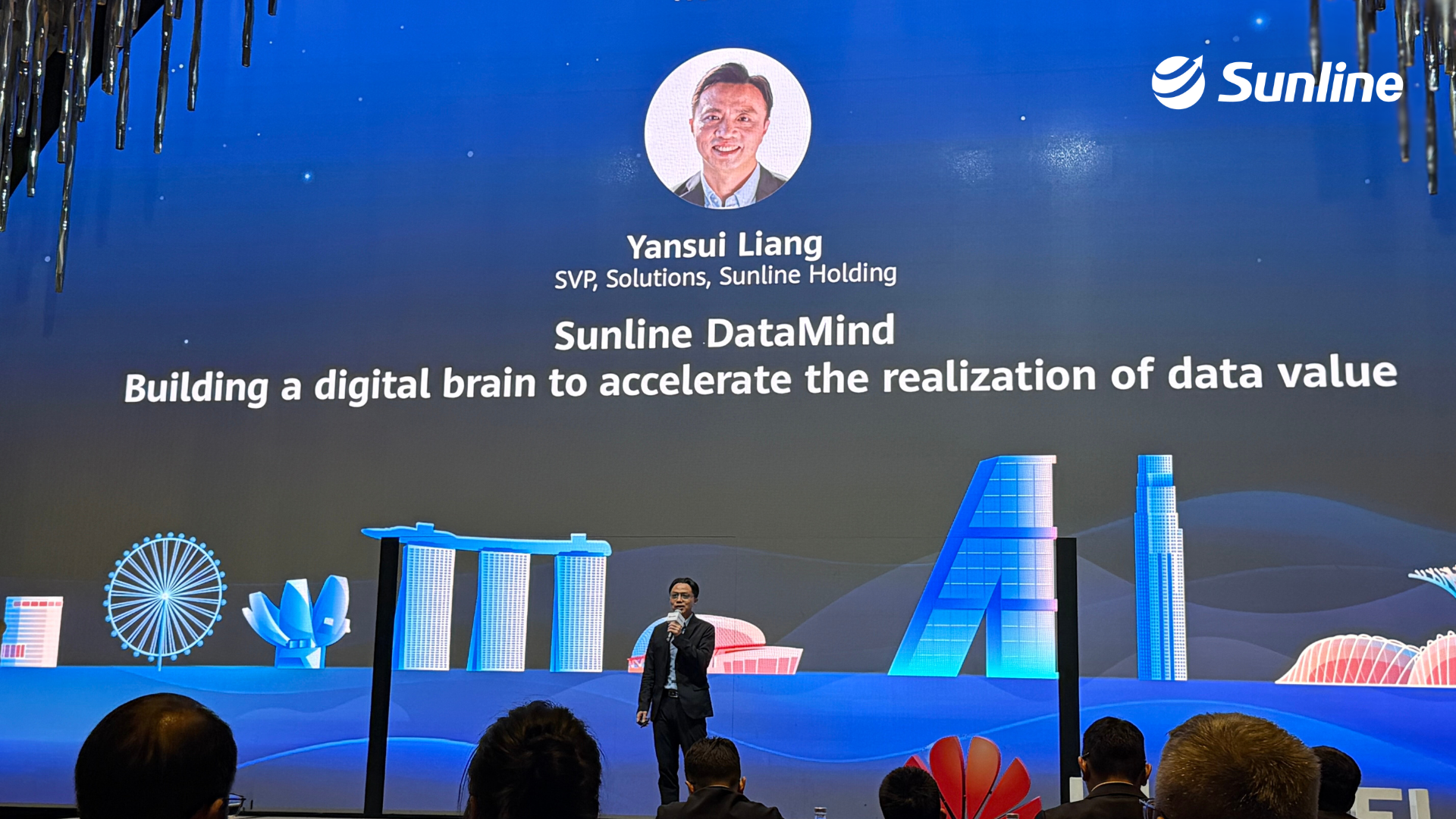
    Sunline was honoured to take part in the Huawei Cloud Singapore AI Pioneer Partner Launch Ceremony as a strategic partner of Huawei Cloud. Liang YanSui, Vice President of Solutions at Sunline, took the stage to introduce the event, marking another significant milestone in Sunline’s long-standing partnership with Huawei. 


    Additionally, Sunline delivered a keynote presentation, address that highlighted DataMind, Sunline’s AI-driven insights and smart automation platform. The keynote highlighted how leveraging AI and machine learning can optimize business operations and enhance service offerings. Liang discussed the successful real-world deployments of DataMind and Sunline’s seamless collaboration with Huawei Cloud across key APAC markets. 


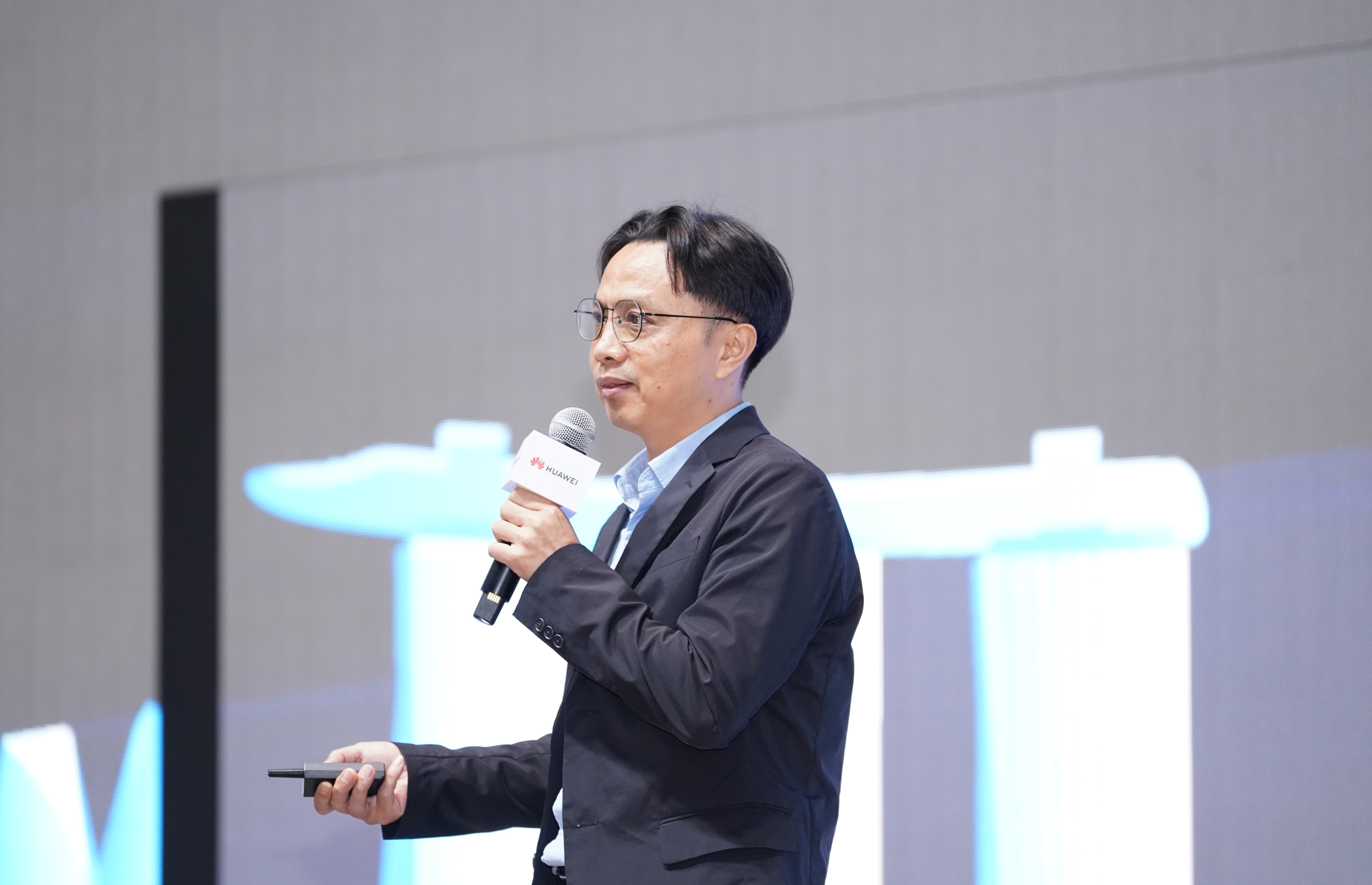
    Liang Yansui, Solution VP of Sunline delivery keynote at Huawei Cloud & AI Partner Summit Singapore 2025


    “DataMind is a powerful AI-driven platform that enables rapid deployment of data applications across diverse business scenarios. Integrated with Huawei Cloud’s AI-native cloud services, it ensures seamless data governance and analysis, specifically designed to meet the needs of the financial industry,” said Liang YanSui, Senior Vice President of Solutions at Sunline.”


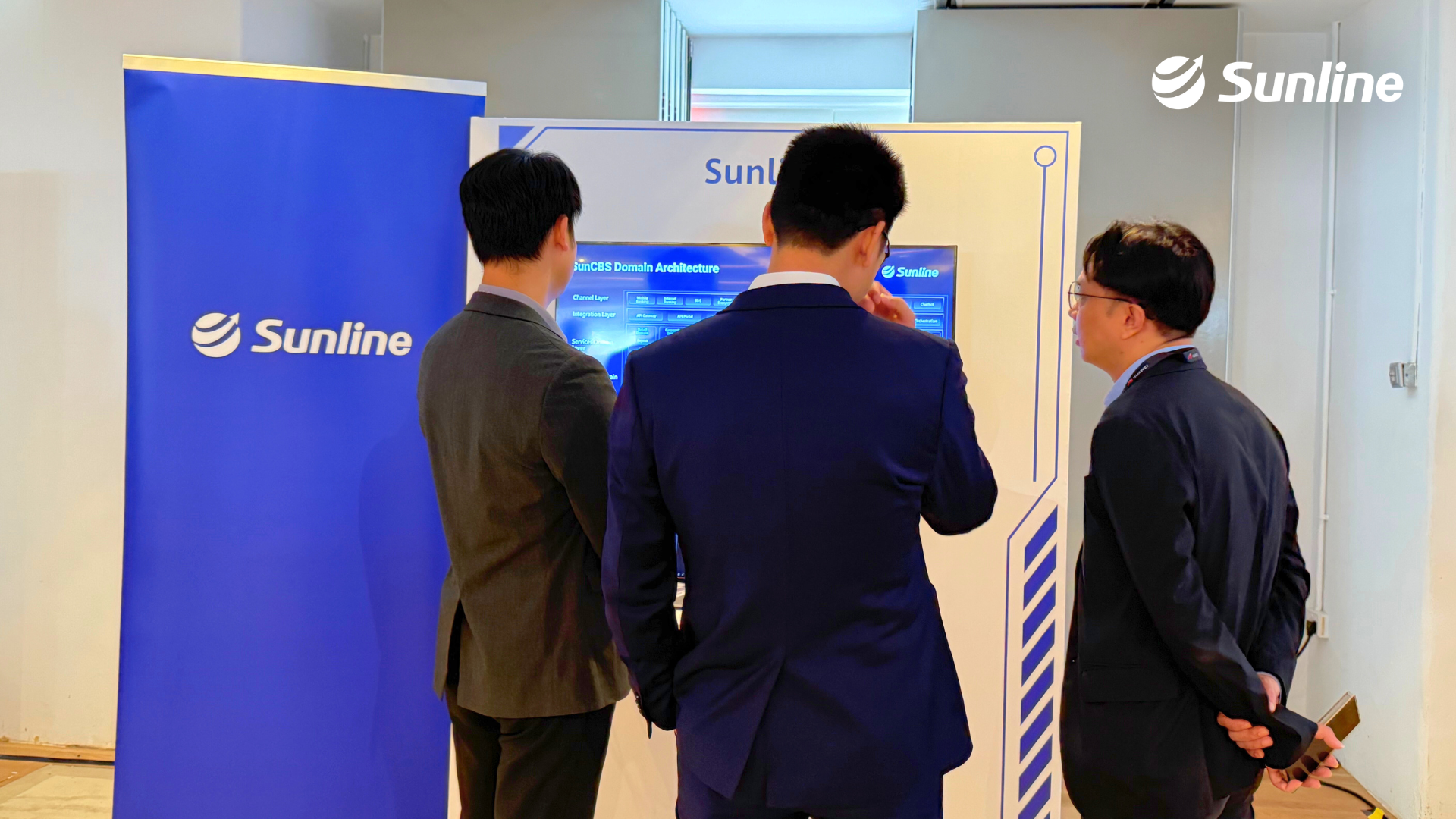
    Along with the keynote, Sunline hosted a highly engaging exhibition at the event, where industry leaders and attendees explored Sunline’s cutting-edge solutions, such as SunCBS and DataMind. The booth highlighted Sunline’s leadership in AI-powered technologies and underscored its ongoing commitment to driving digital transformation and innovation across various industries. 


    Looking Forward

    Sunline’s expertise in leveraging AI in FinTech was showcased, emphasizing the company’s commitment to driving industry advancements. With its strong presence at the summit, Sunline reinforced its position as a leader in the adoption of AI and cloud technologies, advancing the future of digital transformation.

    About Sunline

    Sunline is a leading FinTech service provider headquartered in China, with over 7,000 professionals and a growing presence across Asia and global markets, Trusted by more than 800 financial institutions worldwide, Sunline is committed to driving innovation, operational excellence, and ecosystem collaboration, enabling banks to modernize legacy systems, strengthen regulatory agility, and build future-ready digital infrastructure. For more information, please visit www.sunline-i.com 


  • Sunline Leads the Strategic Shift in Banking Data Analytics

    Sunline Leads the Strategic Shift in Banking Data Analytics

    As several mainstream international data analysis platforms strategically adjust their presence in the China market, the high-end banking analytics sector is entering a critical window for system reconstruction and capability migration.


    Leveraging more than 20+ years of financial industry experience, Sunline proposes a systematic migration solution that provides full-chain capability replacement, from data exploration to analytical modeling, helping banks transition smoothly and establish an autonomous foundation for the data-intelligence era. Driven by global software landscape changes and China’s accelerating China’s regulatory-driven IT Innovation initiation, major international data analytics vendors are shifting their strategies in the China market. This shift forces China’s banks to urgently determine how to maintain and advance their critical analytical capabilities.


    01 | From Function Implementation to Capability Parity

    The core challenge in migrating to international data analysis platforms is ensuring consistent business logic and analytical outcomes. Our approach focuses on achieving true Capability Parity across four critical domains:

    •  Syntax and Semantic Translation: We ensure that complex processing logic achieves functional and performance equivalent when migrated to the new distributed architecture.

    •  Data Logic Consistency: Essential data-handling rules are fully and accurately reconstructed during migration to ensure zero data loss or deviation.

    •  Seamless Data Exploration: We provide data-exploration and interactive-analysis tools that match or exceed the original platform, enabling business teams to perform autonomous data discovery and multi-dimensional analysis.

    •  End-to-End Performance and User Experience: The new system is designed to handle PB-level data while improving processing efficiency.

    02 | The Migration Path: Built on Financial-Grade Standards

    Sunline leverages its deep domain knowledge across core banking, credit, and data to deploy a migration methodology that is Verifiable, Controllable, and Sustainable.


    1. Quantifiable Success: Defining Trustworthy Metrics

    We establish strict, measurable criteria to define migration success:

    •   Logic Alignment: Assured consistency of translated code logic and alignment of analytical functions.

    •   Result Fidelity: Verifiable consistency between model calculation results in the new system and the original platform.

    •   Operational ROI: Noticeable improvements in system processing efficiency and optimization of O&M costs.


    2. Full-Process Assurance: From Inventory to Insured Cutover

    Our migration process is risk-managed and end-to-end:

    •   Asset Decoupling & Strategy: A complete inventory of code, data assets, and job dependencies produces a precise Asset Inventory List and Mapping Relationship Table.

    •   Layered Translation & Dual Validation: A phased translation strategy combined with dual-environment comparison ensures rigorous validation.

    •   Smooth Cutover & Risk Mitigation: We ensure a business-transparent transition supported by clear rollback mechanisms.


    3. Strategic Upgrade: Integrating the Data Lakehouse

    Migration is not only a replacement, it is a strategic upgrade. We integrate analytical modules into the bank’s internal Data Lakehouse architecture, strengthening technology sovereignty while enabling real-time analytics and AI/ML development.

    03 | Case Study: Large-Scale Migration at a Joint-Stock Commercial Bank

    Sunline successfully delivered a large-scale migration of an international data analytics platform for a major joint-stock commercial bank.

    Key outcomes included:

    •   Completion of the full migration of historical data and real-time synchronization of daily incremental data.

    •   Significant improvement in execution efficiency of complex risk-control models.

    •   Seamless reuse of business logic through layered testing and dual-environment comparisons.

    •   Full takeover of data exploration and discovery requirements, ensuring uninterrupted operation of risk-control and marketing functions.


    Conclusion: Seizing the Future of Finance

    The ongoing strategic shift in the international data analytics platform market presents China’s banking industry with an opportunity to modernize and gain full control over its analytical ecosystem. Sunline is committed to being the trusted partner for banking institutions in building a secure, controllable, efficient, and future-ready data-intelligence paradigm.

  • Sunline Sets a New Benchmark for Shanghai Bank Core Systems with 7X Performance Leap

    Sunline Sets a New Benchmark for Shanghai Bank Core Systems with 7X Performance Leap

    The following article is sourced from Shanghai Bank Micro-Dynamics (上银微动态), written by Shanghai Bank (上海银行).

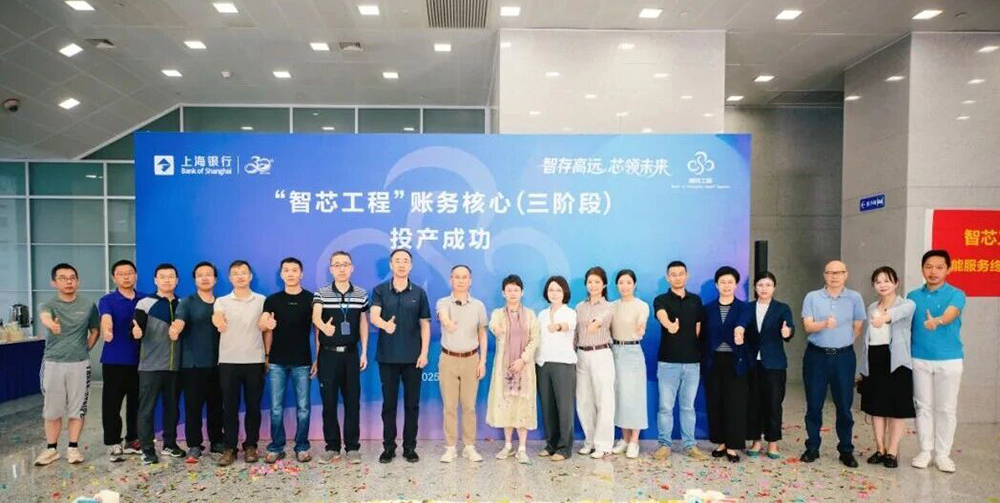
    Sunline proudly announces the successful go-live of the Shanghai Bank New Generation Core System on October 7th, following 27 months of intensive development and partnership. This achievement is not merely a system upgrade; it is a critical strategic movement by Shanghai Bank to implement ONE BOS (Business Operating System) philosophy, drive deep digital transformation, and redefine core competitiveness for the future.

    The new system’s mandate was clear: to establish a stable core engine for future growth, prioritizing security and independent control, customer-centricity, integrated domestic and foreign currency capabilities, agile business development support, and omnichannel integration.


    Architectural Innovation: Rebuilding the Financial Service Engine

    The transformation followed a “Business + Technology” deep integration path, achieving simultaneous upgrades to both architectures for a profound leap in management and service capabilities. 

    On the business side, it constructs a four-in-one core architecture of “Client – Product – Contract – Account” realizing componentized configuration and channel convergence, effectively supporting the system’s stable operation and agile business development. On the technical side, relying on the self-developed “Beidou” distributed foundation, it adopts a “Cell deployment + microservices” design pattern, achieving efficient service decomposition and rapid, elastic capacity expansion. This calmly handles high-concurrency scenarios and reserves ample space for subsequent business innovation and functional iteration.

    Process Reshaping: Forging an Efficient, Collaborative “Implementation Paradigm”

    Through a componentized modeling methodology, the new system breaks down strategic capabilities and functional requirements into reusable, standardized components, such as Account, Contract, Pricing, and Limit. This achieves the flexible assembly and rapid deployment of business functions, ensuring a timely response to market changes and dynamic customer needs. 

    Concurrently, a full life-cycle closed-loop management system has been established around the seven key phases: Requirement, Analysis, Design, Development, Testing, Deployment, and Cutover. This system facilitates the deep integration of business requirements and technical implementation, utilizes standardized processes to mitigate implementation risks and ensure smooth transitions between all stages, and relies on “factory-style” efficient collaboration to enhance project promotion effectiveness, providing high-efficiency support for high-quality business development.

    Technical Autonomy: Fortifying the “Digital Foundation” for Intelligent Transformation

    With the solid backing of a modernized cloud infrastructure, Shanghai bank has embraced cloud-native technology to construct a comprehensive “Beidou” (Navigation/Digital Compass) Technical Ecosystem. This ecosystem is a powerhouse, deeply integrating critical capabilities:

    •  Standardized Routing

    •  Microservice Governance

    •  One-Click Deployment for Large-Scale Distributed Systems

    •  Multi-Active Disaster Recovery Switchover

    •  Intelligent Observability

    Through a platformized and componentized construction path, this system ensures the rapid output and highly efficient supply of foundational technical capabilities.


    Shaping the Full-Link “Customer Journey”

    Adhering to the core philosophy of “Customer-Centricity” the new system uses the “Customer Journey” as its guiding thread, driving process re-engineering and channel synergy to build a full-link, intelligent, and context-aware service ecosystem. Key improvements highlight efficiency and seamlessness:

    •  Streamlined Authentication: By integrating steps like queueing, identity verification, processing, and evaluation, the system achieves highly efficient coordination—for example, requiring “one-time verification, one-time card swipe.”

    •  Optimized High-Frequency Services: Exclusive, streamlined processes have been created for high-demand tasks such as comprehensive balance inquiries, boosting processing efficiency and overall service experience.


    Product Empowerment: Supporting Digital Operations with “Precision Alignment”

    Central to the upgrade is enabling digital customer management. The new system enriches diverse product scenarios and significantly strengthens functional adaptability. On one hand, it optimizes core business functions to focus on personalized customer needs, supporting services such as:

    •  Customized JiXiang Accounts (吉祥账户 – accounts with self-selected features).

    •  Multiple Withdrawals for Large-denomination Certificate of Deposit

    •  Card Replacement without changing the card number

    This better meets varied and differentiated customer demands. On the other hand, it reinforces digital pricing support capabilities, allowing for differentiated pricing on deposit interest rates and intermediary service fees based on multiple dimensions, including: customer segment, channel, region, institution, and client size. This ensures a rapid response to dynamic market changes.

    Simultaneously, a five-layer digital account system has been built, encompassing models like “All in One Account,” “One Account, Multiple Media,” and “Group Master/Sub-Accounts.” This flexibility precisely adapts to various business scenario requirements, comprehensively solidifying the functional support for digital customer management and accurately addressing diverse and personalized customer needs.


    Risk Control Upgrade: Building a “Dual Defense Line” for Safety and Efficiency

    The new system constructs a scenario-based, multi-layered account and fund risk control framework, covering core scenarios such as transfer, spending, and investment. This achieves multi-dimensional control across customer, medium (e.g., card/device), and account, supporting the flexible, configuration-based adaptation of risk control strategies. By balancing risk prevention with business efficiency, it ensures fund safety while simultaneously enhancing service convenience.


    System Performance & Industry Leadership

    Since its formal launch, the bank’s new core system has demonstrated stability and significant results:

    •  Daily Average Transaction Volume: 24 million

    •  System Peak Load Capacity: Increased by over 7 times

    •  Online Single Transaction Average Time: Decreased by 37.2%

    •  End-of-Day Batch Processing Time: Shortened by 77.8%

    •  Transaction Success Rate: Reached 99.999%

    The successful construction and deployment of this new-generation core system is the culmination of three decades of the bank’s deep commitment to fintech and its “Customer First” service philosophy. It marks a qualitative leap in the bank’s technological hard power, positioning it among the leading City Commercial Banks and establishing it as a benchmark for technological empowerment among regional banks.

    Looking Ahead: A Foundation for the Future

    As 2025 marks Shanghai bank’s 30th anniversary, the successful launch of the new core system is both a significant gift celebrating the milestone and a solid technological foundation for the institution’s “15th Five-Year Plan” development blueprint. The bank will seize this opportunity to continue deepening the integration of technology and business, accelerating the pace of innovation, and creating sustained value for its customers, shareholders, and society through more stable, intelligent, and efficient financial services, stepping together toward a new journey.


    About Shanghai Bank

    Shanghai Bank is a prominent state-affiliated commercial bank based in Shanghai, China, offering a wide range of retail and corporate banking services including loans, deposits, trade financing, and wealth management. Established in December 1995 through the merger of local credit unions, it was officially registered under its current name in 1998. Publicly traded on the Shanghai Stock Exchange, Bank of Shanghai is recognized as one of China’s major urban commercial banks, serving individuals, businesses, government agencies, and financial institutions.

  • Sunline Advances ‘Core + Data + AI’ Modernization Blueprint at Singapore Fintech Festival 2025

    Sunline Advances ‘Core + Data + AI’ Modernization Blueprint at Singapore Fintech Festival 2025

    Singapore, November 2025 — During the Singapore Fintech Festival (SFF) 2025, Sunline reinforced its growing influence across Asia and the Middle East, presenting a unified modernization blueprint built on core transformation, enterprise data governance, and AI-native operating models. Across a series of engagements with cloud and technology partners, consulting firms, and leading banks, Sunline emphasized that the next decade of modernization will be defined by how effectively banks integrate their core architecture, data fabric, and intelligence layer amid evolving regulatory and digital infrastructure demands.


    Joint Dialogue with AWS and Accenture: Coexistence Architecture and Intelligence Integration


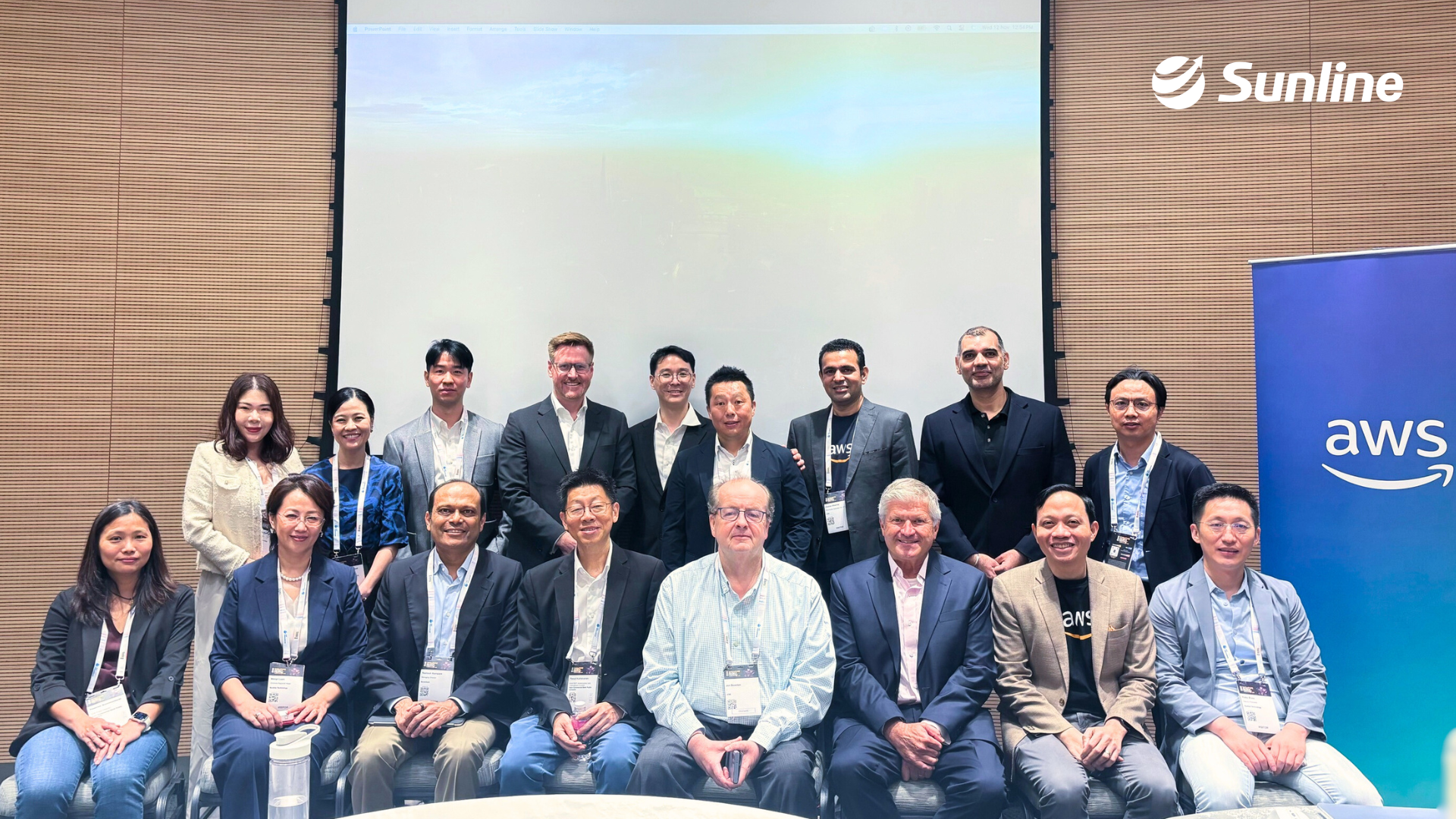
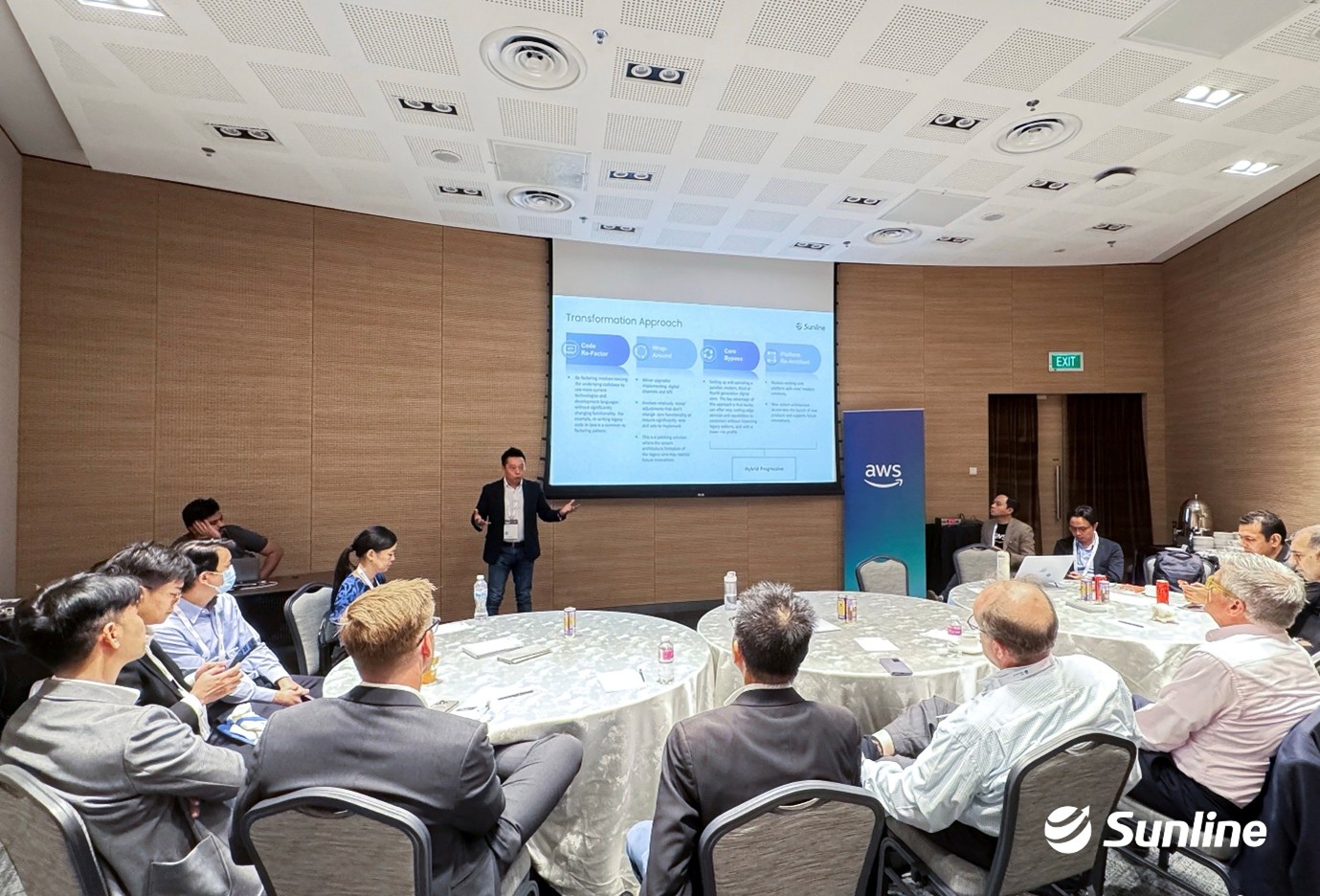
    At SFF, Sunline partnered with AWS and Accenture to jointly host an executive roundtable, bringing together technology and transformation leaders from major banks in Singapore and Thailand. The discussion explored the practical realities of core modernization under regulatory constraints—from managing coexistence between legacy and modern platforms to ensuring reporting consistency across hybrid stacks and embedding data analytics and AI within mission-critical processes. 


    Technical Solution Expert Charley Dou highlighted best practices from Sunline and AWS’s joint modernization initiatives, demonstrating how SunCBS achieves high availability and elastic scalability on AWS through Cell Deployment. He also introduced the 1P2C unified platform, which integrates real-time intelligence and AIStack to eliminate T+1 latency and strengthen enterprise-wide decisioning.


    The open dialogues between banking leaders and technology experts surfaced the deeper complexities of progressive core renewal, particularly when institutions must run legacy and modern cores concurrently. Sunline explained how its coexistence architecture mitigates these challenges through a Multi-Core Routing Layer that maintains transactional integrity across both cores, and a Data Aggregation Layer that consolidates outputs into a unified, regulator-ready data view for downstream systems.


    Engagement with MECA Markets on Data-Centric Transformation


    Complementing our work in Southeast Asia, during this SFF, Sunline held strategic discussions with delegations from the Middle East and Central Asia (MECA), where national fintech agendas and supervisory frameworks are accelerating demand for core renewal and enterprise-wide data modernization.


    Conversations focused on core modernization pathways, AI-ready data foundations, data lineage and governance, and operational resilience – critical priorities for financial institutions navigating regulatory change and expanding cross-border digital services. These exchanges reinforced Sunline’s growing role in helping MECA institutions transition toward scalable, data-driven, and intelligence-centered operating models capable of supporting open banking, instant payments, and future-ready digital ecosystems.


    Setting the Strategic Direction for Next-Generation Core Platforms

    As part of Huawei’s flagship programme at SFF, Sunline was invited to deliver a keynote on the architectural evolution of next-generation core banking systems. The session underscored the industry’s steady shift toward composable, cloud-aligned, and intelligence-ready core platforms that support progressive modernization and heightened regulatory resilience.


    Liang YanSui, Senior Vice President of Solutions at Sunline, outlined how Service Mesh–based traffic governance, domain-driven Cell Deployment, elastic scalability, and real-time data orchestration are becoming foundational design patterns for modern core systems. These capabilities enable banks to decouple services, enhance observability, and safeguard transactional stability throughout their transformation journey.


    Liang further mentioned Sunline’s 1P2C modernization pathway, which leverages a unified orchestration layer to allow legacy and modern cores to operate in parallel. Supported by Service Mesh and Cell-based execution units, this model provides a controlled, low-risk route toward large-scale modernization, ensuring continuity, data integrity, and supervisory transparency throughout migration.


    Looking Forward

    Sunline’s engagements throughout SFF illustrate a coherent modernization vision in which the core, data governance, and intelligence architecture advance as a unified capability. By aligning this framework with regulatory expectations, banking priorities, and regional digital infrastructure strategies, Sunline is helping shape a new generation of financial systems that are modular, transparent, and intelligence-driven.


    Looking forward, Sunline envisions a future where the core evolves into a real-time intelligence engine, where data governance functions as a dynamic control layer, and where AI is embedded across the workflows that define customer experience, risk management, and operational performance.


  • Sunline at Saudi–China FinTech Forum (Shenzhen): Shaping Middle East FinTech Innovation

    Sunline at Saudi–China FinTech Forum (Shenzhen): Shaping Middle East FinTech Innovation

    Igniting a New “Core + Data” Wave in Middle Eastern Banking


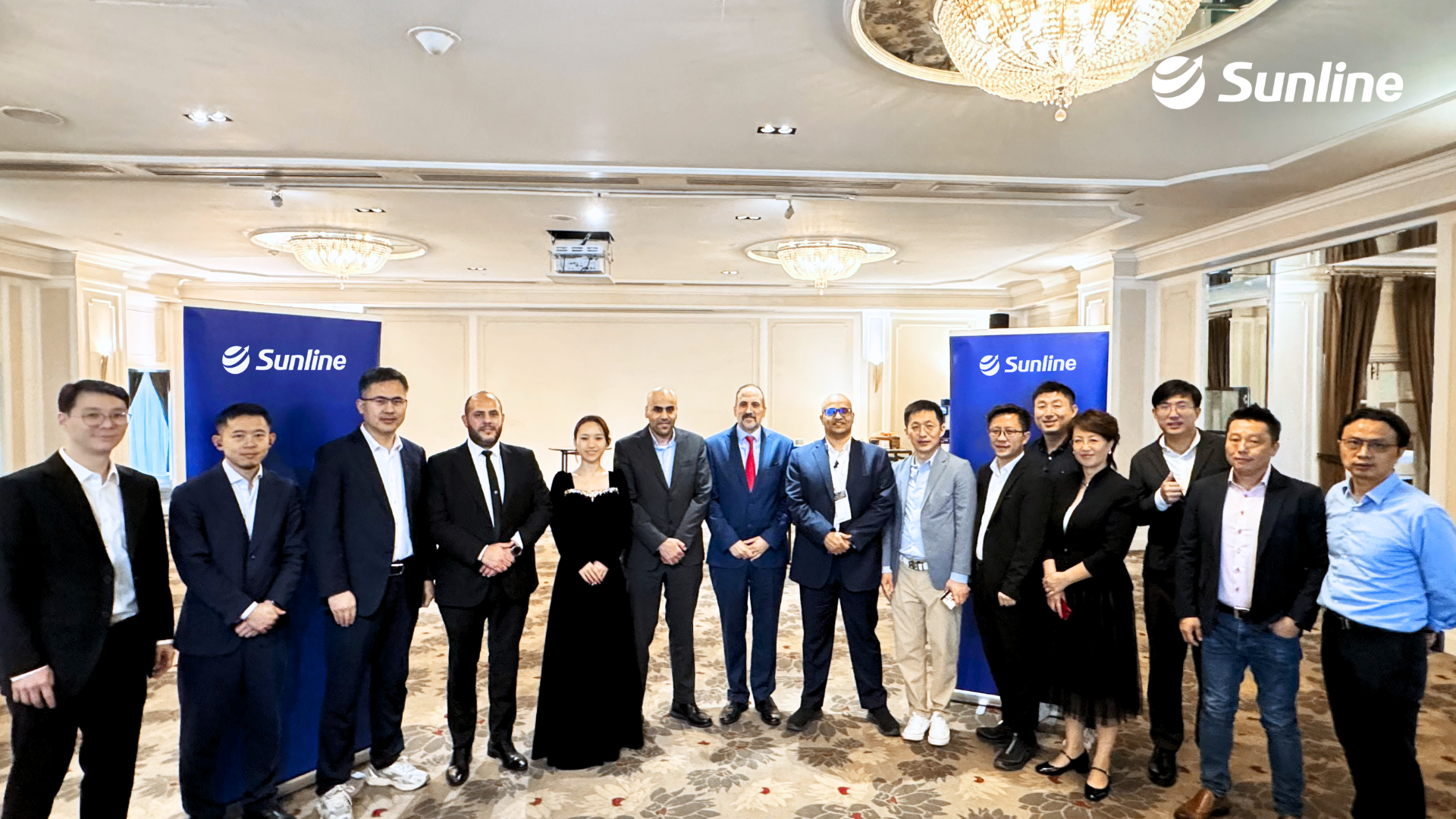
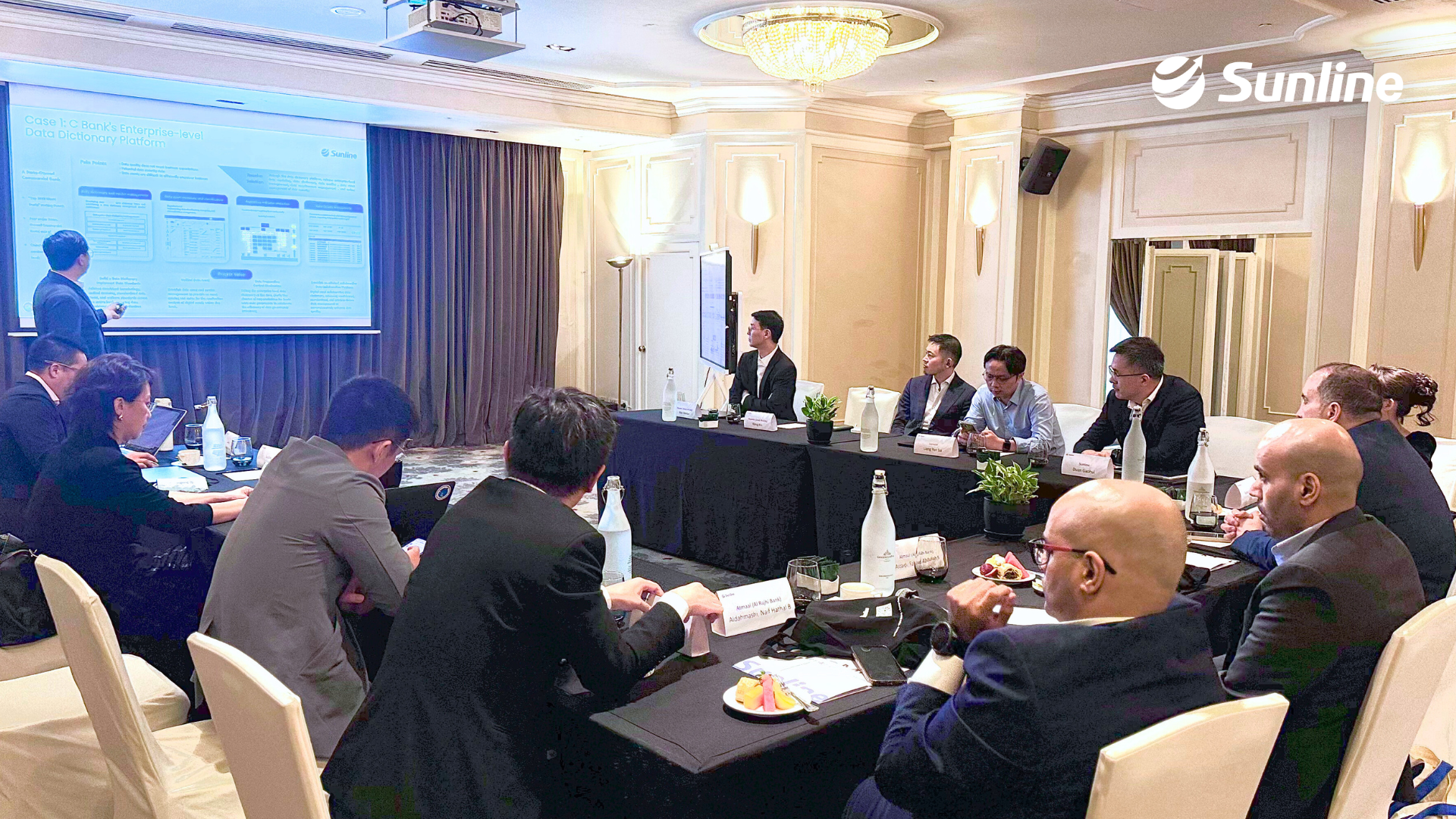
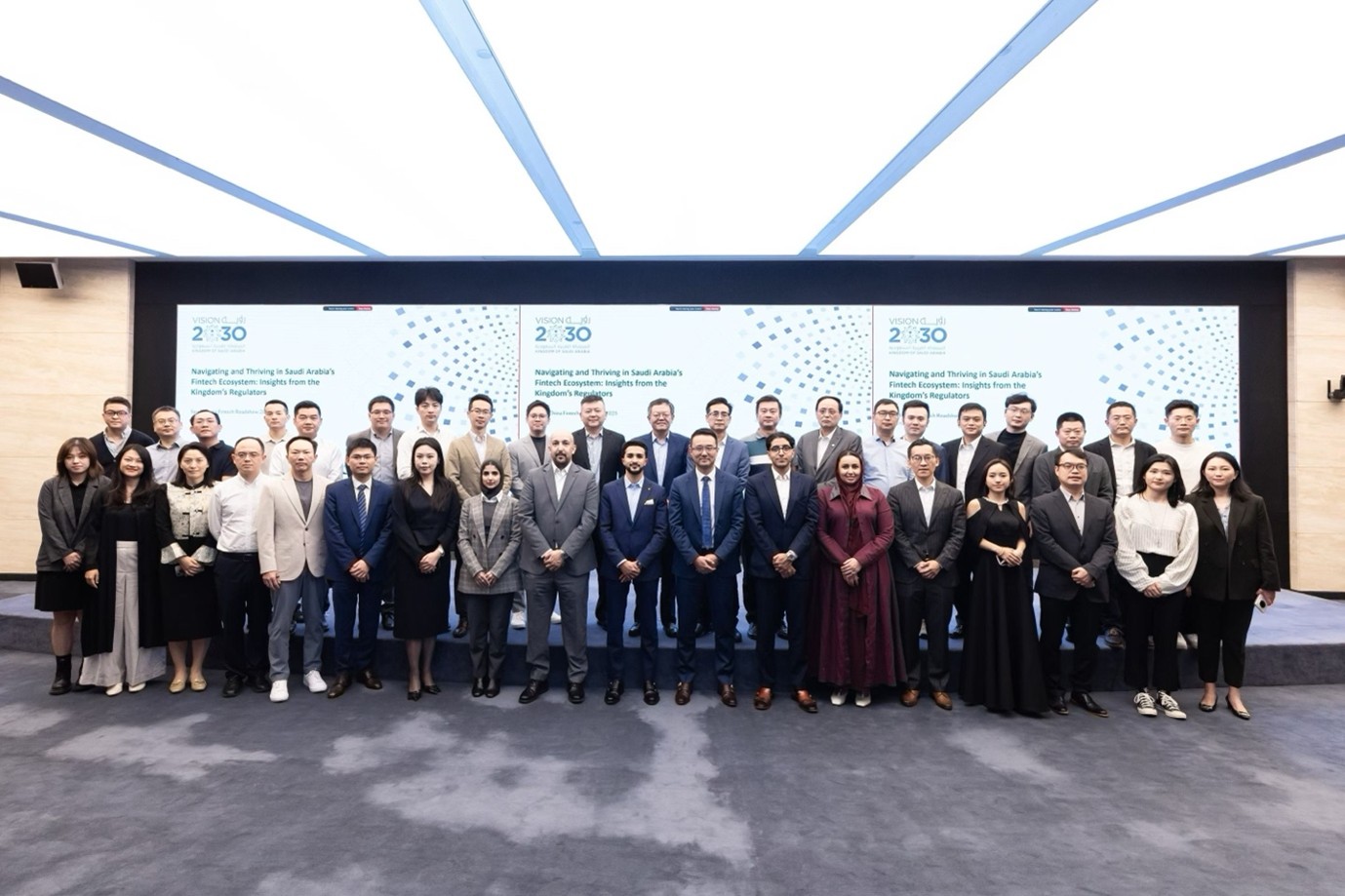
    The “Partnering for Fintech Growth: Saudi Arabia × China” Forum, hosted by the Ministry of Investment Saudi Arabia (MISA) and organized by Huawei, was successfully held at Huawei‘s global headquarters in Shenzhen, China.


    The event focused on advancing Saudi Arabia’s National Fintech Strategy, strengthening China–Saudi industry collaboration, and co-building innovation ecosystems, attracting senior representatives from the Saudi Central Bank (SAMA), the Capital Market Authority (CMA), and numerous regulators and technology leaders. Sunline was invited to participate as representative of China’s financial technology sector for the exclusive session.


    (Group Photo: Second row – Ethan You, 7th from left; David Li, 8th from left. First row – Jeanie Zhang, 4th from right)


    “Core + Data”: Two Flagship Solution Suites


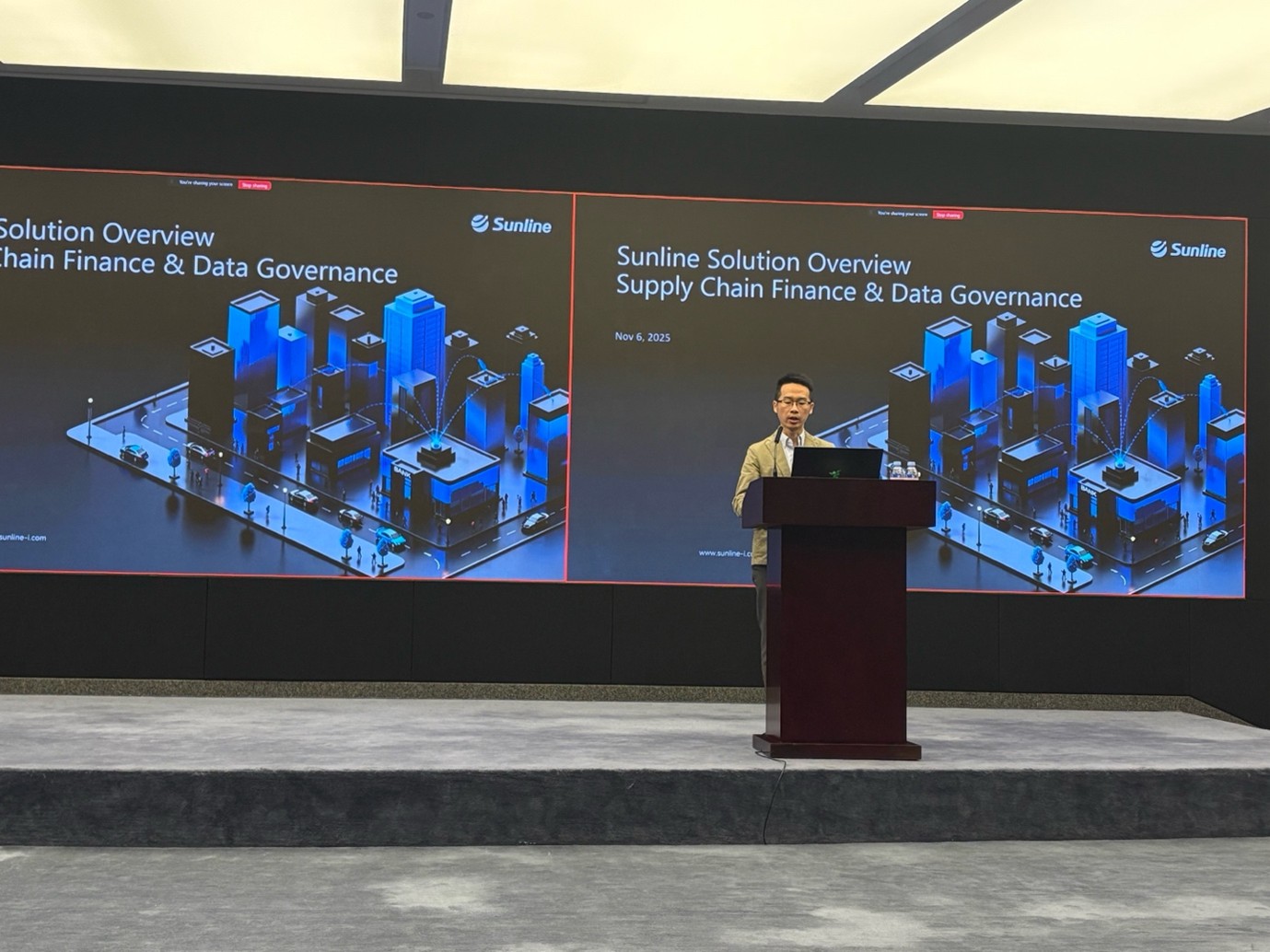
    David Li shared Sunline’s success stories across China, Singapore, Indonesia, Malaysia, and Thailand and introduced two major solution suites for the Middle East market: the Next-Gen Core Banking System and Data Governance & Analytics Platform. Sunline’s strategy in the Middle East is shifting from a single-core focus to a dual-engine “Core + Data” approach, integrating core banking with advanced data capabilities, driving globalization across products, ecosystems, and services.

    1. Core-Driven Scenarios

    In projects led by the transactional core system, Sunline has introduced its “Dual-Core Architecture“, a fusion of transactional core and data core. The data core acts as an enhancement engine, adding differentiated capabilities such as data analytics, risk control, and intelligent marketing, while enabling AI-driven insights and data assetization.


    2. Data-Driven Scenarios

    In data-led engagements, Sunline positions itself as a provider of lightweight middle-platforms and professional banking data services. Leveraging Huawei’s DWS (Data Warehouse Service) Sunline’s ‘DataMind’ platform, Sunline offers end-to-end data solutions, including migration, governance, integration, and customization.


    “Sunline‘s expansion in the Middle East will move beyond a single core system to a dual-product “Core + Data” model, through our proprietary core system and data platform, we aim to empower regional financial institutions to accelerate digital transformation, strengthen regulatory compliance, and drive business innovation.” said David Li.


    “1+3+1” Strategic Framework: Saudi Arabia at the Core, Radiating Across the Middle East and Central Asia

    Sunline has strengthened its regional investment, establishing its Middle East headquarters in Riyadh and adopting the “1+3+1” strategic framework:


    The first “1” – Long-term focus on Saudi Arabia

    As the largest economy in the Middle East with a concentrated banking landscape, Saudi Arabia sets high standards and entry thresholds but offers equally high potential and value. Sunline is committed to a long-term, trust-based, and locally embedded presence to serve Saudi clients with excellence.


    The “3” – Jordan, Lebanon, and Oman as strategic footholds

    Adopting a “rural-to-urban” market strategy, Sunline will first establish breakthroughs in these key neighbouring markets, gradually forming an integrated regional fintech ecosystem cantered on Saudi Arabia.


    The final “1” – Pakistan as a forward base

    With its large population and emerging digital economy, Pakistan serves as the springboard for future expansion into the six Central Asian “-Stan” countries. Over the next three years, Sunline plans to cultivate partnerships and project experience in Pakistan, planting the seeds for long-term development across Central Asia.


    Through this strategic framework, Sunline will collaborate with regional partners and leverage its dual “Core + Data” solutions to drive digital transformation and support Saudi Arabia’s Vision 2030 goals.


    Ecosystem Strategy: Partnership and Long-Termism

    Sunline integrates local ecosystems with Chinese capabilities using a dual-circulation approach and a Partner Sales model, adapting its strategy in phases:

    Short-Term Strategy: High-Touch Market Entry
    In the early phase, Sunline will focus on direct contracting, delivery, and investment to establish its first clients and build market credibility.


    Mid-to Long-Term Strategy: Partner Ecosystem Development
    Sunline will expand its “Solution Partner Ecosystem,” collaborating with Chinese tech leaders like Tong Dun Technology and FanRuan Software, and local providers in payments, channels, and regulation, replicating its successful multi-layer model across Asia-Pacific.


    On the other, Sunline will cooperate with local solution providers in domains like payments, channels, and regulatory systems, replicating the multi-layer partnership model successfully proven across Asia-Pacific.


    About Sunline


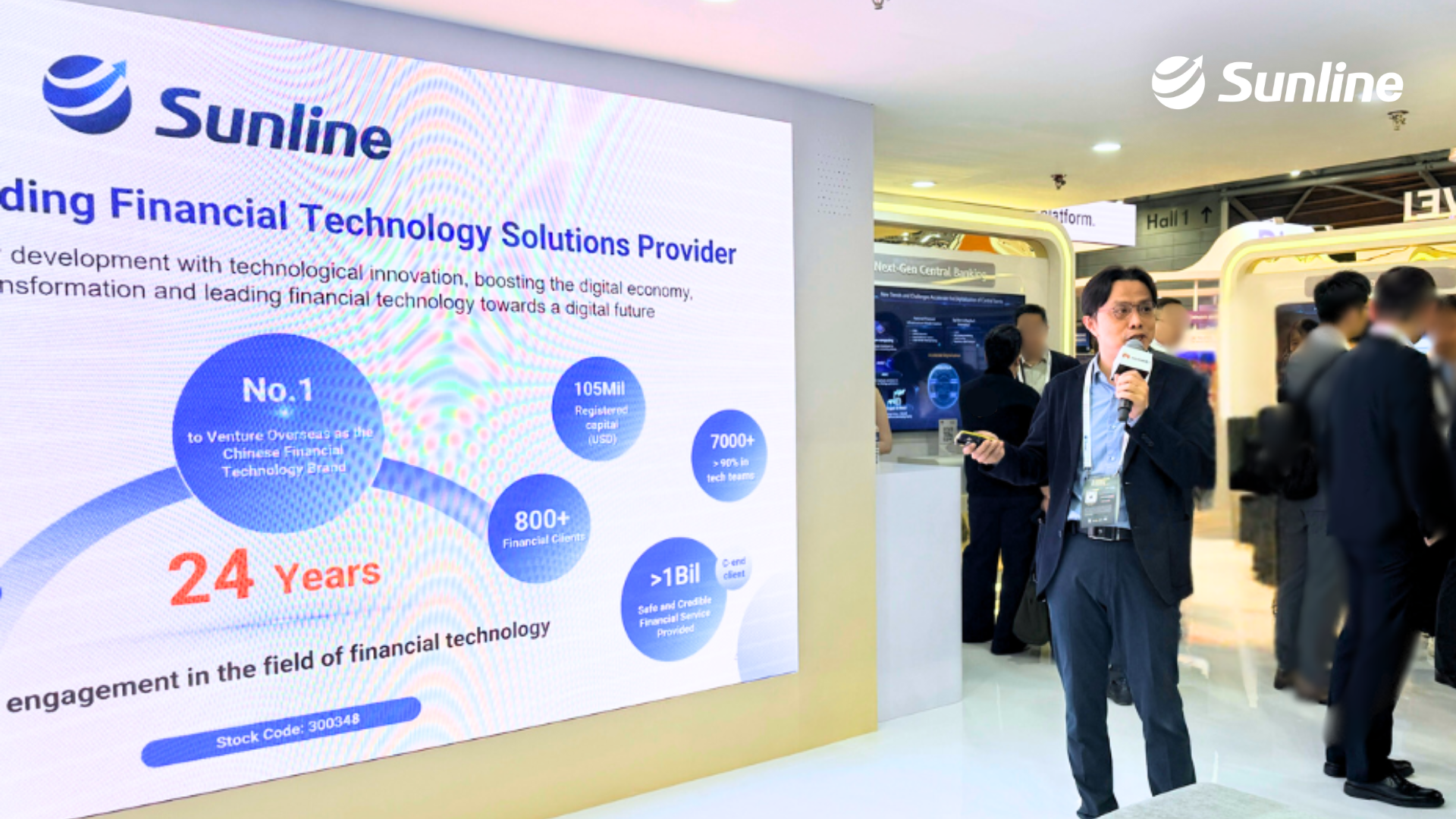
    With 24 years of fintech expertise, 800+ clients, and operations in 10+ countries, Sunline continues to drive innovation in global banking. Moving forward, the company will strengthen collaboration with Saudi regulators, banks, and partners to build a sustainable fintech ecosystem in the Middle East.

    Sunline‘s strategy now focuses on a dual “Core + Data” product foundation, partnering with Huawei and ecosystem partners to create a model for Chinese fintech globalization in the region.

  • Sunline Wins Triple Recognition for Advancing High-Quality Software Development

    Sunline Wins Triple Recognition for Advancing High-Quality Software Development

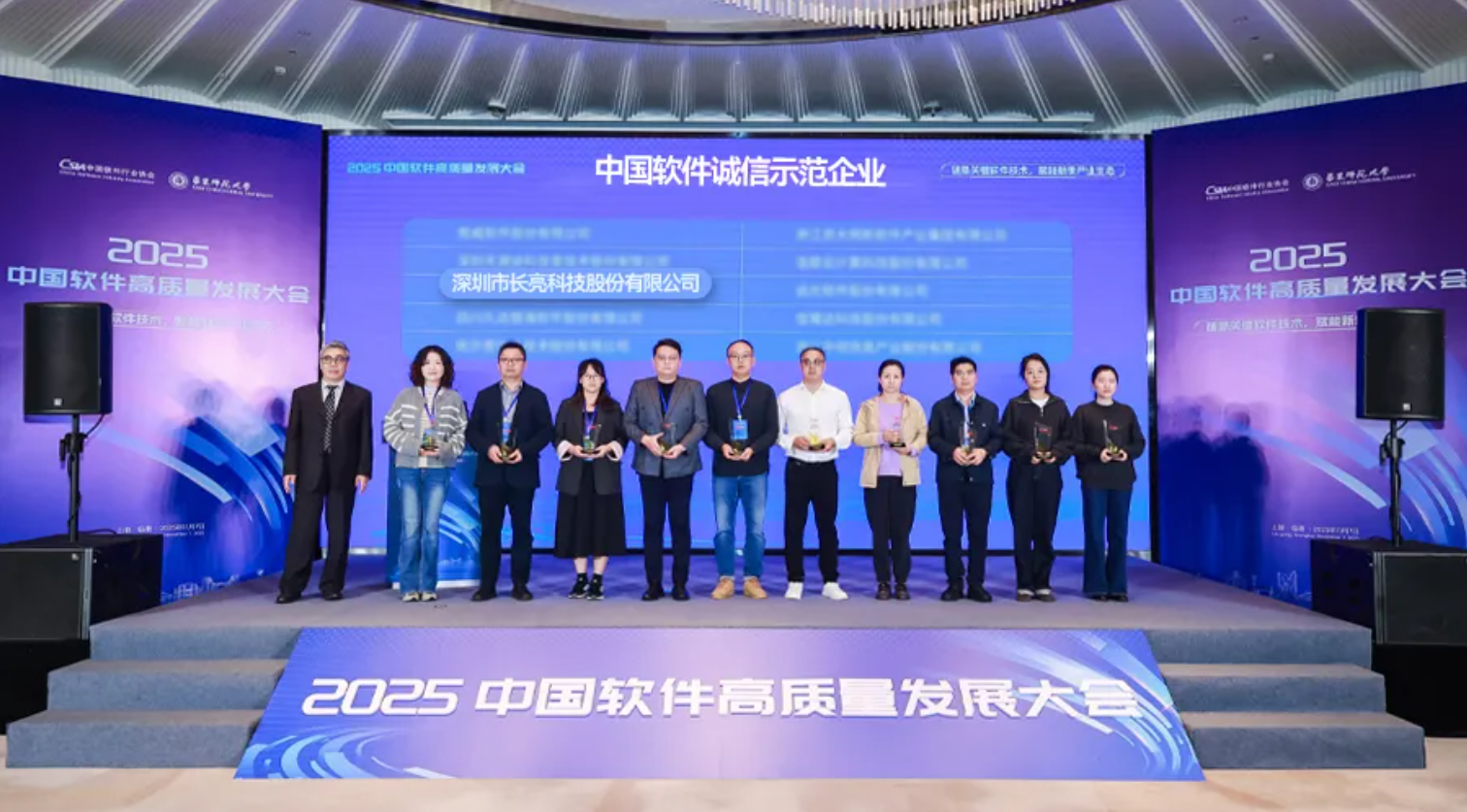
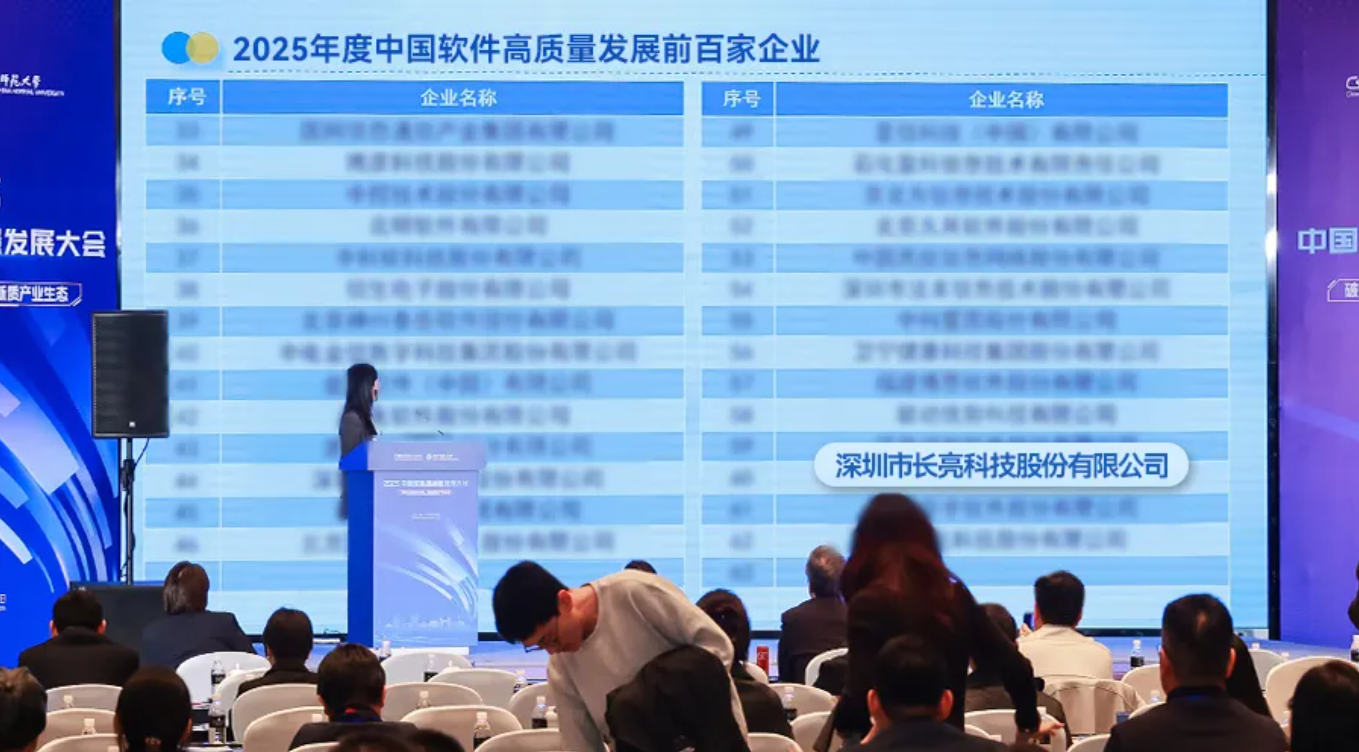
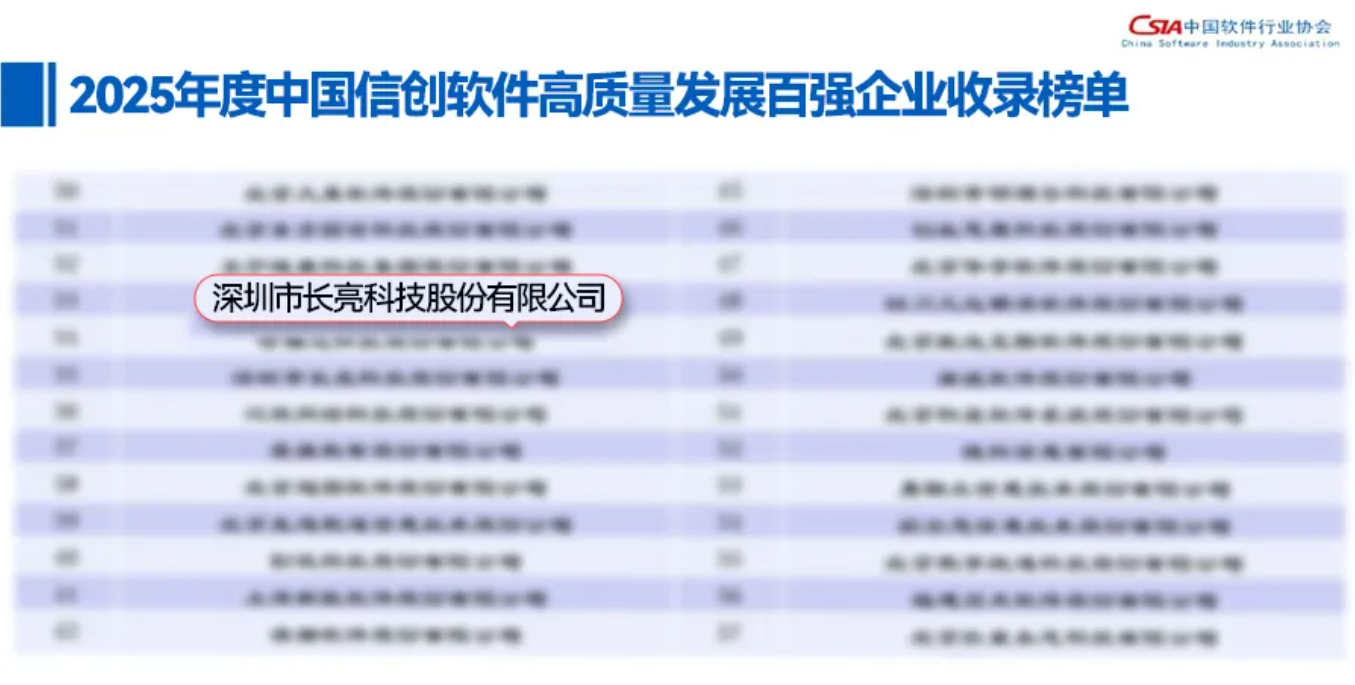
    The 2025 China Software High-Quality Development Conference, co-hosted by the China Software Industry Association and East China Normal University, Sunline was honored with two prestigious awards: “China Software Integrity Demonstration Unit (2025-2028)” and “Top 100 Chinese Software High-Quality Development Enterprises of 2025.” In addition, the company was included in the “2025 Annual China Xinchuang Software High-Quality Development Top 100 Enterprises List” published by the China Software Industry Association, further highlighting its strong position and leadership in the fintech sector.

    The triple recognition is not only a comprehensive affirmation of Sunline software development capabilities, integrity system, and industry contributions, but also underscores its exemplary role in promoting innovation and development in the software industry. As a leader in China’s fintech sector, Sunline, backed by its deep experience in financial digitization, has become a key player accelerating the industry’s Xinchuang (domestic innovation) process.

    With the continued advancement of financial Xinchuang, Sunline remains committed to independent and controllable technology. It has achieved large-scale domestic alternatives in critical areas such as core banking systems, data intelligence services, and financial smart management. The company is also actively embracing cutting-edge technologies such as cloud-native and AI, providing customers with high-performance tech services based on distributed architecture. Sunline has established a comprehensive service ecosystem that spans state-owned banks, joint-stock commercial banks, urban commercial banks, and rural commercial banks, helping financial institutions achieve agile business innovation and secure compliance.

    In promoting the deep integration of artificial intelligence with financial business scenarios, Sunline has demonstrated a forward-thinking technological strategy. The company has innovatively developed the “AIStack Digital Productivity Platform,” empowering software engineering practices and the entire financial business value chain, as well as launching the “DataMind – Smart Integrated Platform” to build intelligent data core capabilities for financial institutions, aligned with the new requirements of the “14th Five-Year Plan.”

    2025 marks the final year of China’s “14th Five-Year Plan” and signals the strategic transition of the Xinchuang industry from “secure and controllable” to “value creation.” Looking ahead, Sunline will continue to seize opportunities in Xinchuang development, deeply integrate emerging technology trends, strengthen the foundation for digital China’s growth, and strive to become an indispensable force in the global tech competition landscape.